

Introduction
Some sandwiches are just food. The Cuban sandwich is an experience.
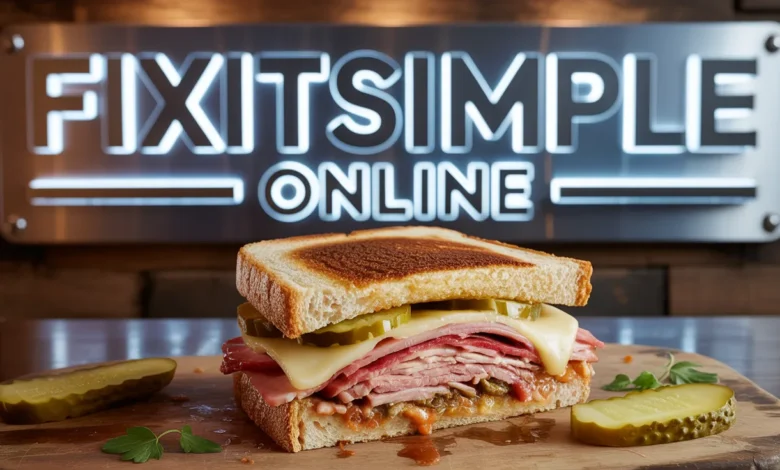
If you have never bitten into a properly pressed Cuban sandwich, you are missing one of the most satisfying things a slice of bread can hold. Layers of slow-roasted pork, ham, Swiss cheese, pickles, and mustard, all pressed into a golden, crispy roll that cracks when you pick it up. It is bold. It is rich. It is deeply comforting.
But here is what most people get wrong: they think it is just a deli sandwich with a fancy name. It is not. The Cuban sandwich has a story, a culture, and a craft behind it. Get any one of those three things wrong, and you end up with something that misses the point entirely.
In this article, you will learn exactly where this sandwich comes from, what makes it authentic, how to build one at home from scratch, and how to avoid the most common mistakes people make. By the end, you will know more about the Cuban sandwich than most restaurant workers do.
A Brief History of the Cuban Sandwich
Where Did It Actually Come From?
The Cuban sandwich did not come from Cuba. That is the first surprise.
It was born in Florida, in the late 1800s and early 1900s, in the factory towns where Cuban immigrants worked alongside Spanish, Italian, and German workers in cigar rolling factories. These workers needed a hearty, affordable lunch that they could eat quickly. The sandwich they created reflected all of their cultures at once.
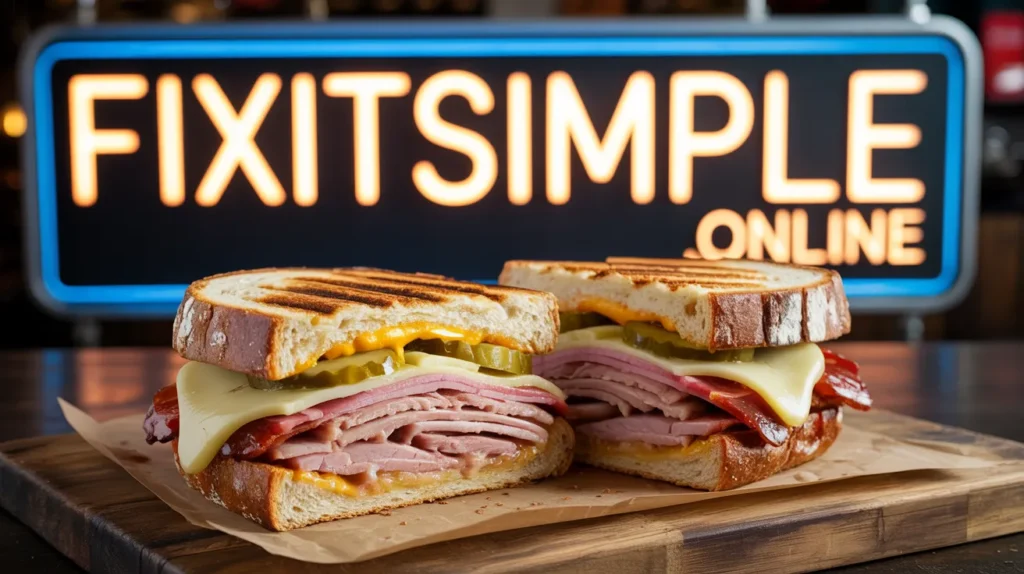
Cuban bread, roast pork, and ham came from Cuban and Spanish traditions. Swiss cheese came from German and Italian workers. Pickles were a staple across all those European backgrounds. Yellow mustard tied it all together.
Tampa and Miami both claim the Cuban sandwich as their own. The real difference between the two cities comes down to one ingredient: Genoa salami. Tampa’s version includes it. Miami’s version does not. Neither city is wrong. They are just telling a slightly different version of the same story.
Why It Became So Popular
By the mid-20th century, the Cuban sandwich had spread beyond factory workers and into lunch counters, diners, and restaurants across Florida. When Cuban exiles arrived in Miami in larger numbers after 1959, the sandwich gained fresh cultural momentum.
Today, you will find Cuban sandwiches from New York to Los Angeles. But the heart of the sandwich still beats loudest in Tampa and Miami, where locals take the recipe seriously enough to argue about it at the dinner table.
What Goes Into an Authentic Cuban Sandwich?
The Essential Ingredients
Every authentic Cuban sandwich shares the same core lineup. Here is what you need:
- Cuban bread — The foundation. It is a long, white, slightly crispy loaf with a light, airy interior. If you cannot find Cuban bread, a French baguette or Italian bread works as a substitute, but the texture will be slightly different.
- Roast pork (lechon asado) — Slow-roasted, marinated in mojo sauce made from sour orange juice, garlic, oregano, and olive oil. This is the soul of the sandwich.
- Ham — Thinly sliced sweet ham. It adds a second layer of pork flavor that balances the richness of the roast.
- Swiss cheese — Mild, slightly nutty, and melts beautifully under pressure. Do not substitute cheddar or mozzarella. Swiss is the right call here.
- Dill pickles — Thin slices. They cut through the richness and add brightness to every bite.
- Yellow mustard — Spread on both sides. Not Dijon. Not honey mustard. Plain yellow mustard.
- Butter — For pressing. It gives the outside that golden, slightly crispy finish.
The Tampa Addition: Genoa Salami
If you want to make a Tampa-style Cuban sandwich, add two or three thin slices of Genoa salami between the ham and the cheese. It adds a gentle spice and depth that the Miami version does not have.
Both versions are worth trying. I personally love the Tampa style because the salami adds just enough edge to keep things interesting.
How to Make the Perfect Cuban Sandwich at Home
Step 1: Make the Mojo Roast Pork
This is where most homemade Cuban sandwiches succeed or fail. The pork is everything.
Mojo Marinade Ingredients:
- 1/2 cup sour orange juice (or a mix of orange and lime juice)
- 6 cloves of garlic, minced
- 1 teaspoon dried oregano
- 1 teaspoon ground cumin
- 1/4 cup olive oil
- Salt and black pepper to taste
Mix these together and marinate a pork shoulder or pork loin for at least 4 hours. Overnight is better. Roast it low and slow at 300°F (150°C) for 3 to 4 hours until it is tender enough to pull apart easily. Let it rest, then slice it thin.
Pro tip: Make extra pork. It keeps well in the fridge for up to five days, and you will want to make more sandwiches.
Step 2: Assemble the Sandwich
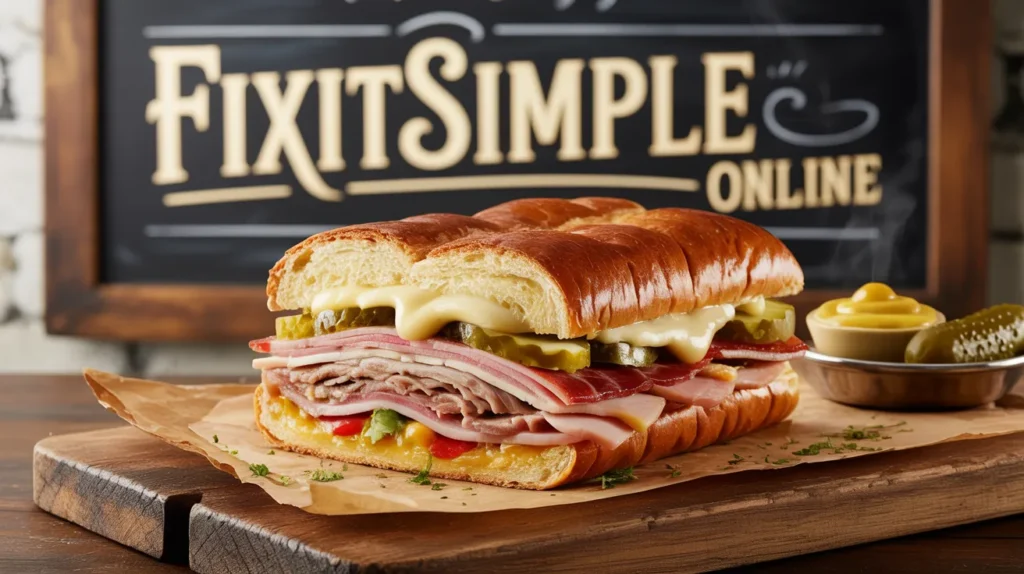
Slice your Cuban bread lengthwise without cutting all the way through. Spread yellow mustard on both inner sides. Then layer the ingredients in this order:
- Swiss cheese on the bottom half
- Roast pork slices
- Ham slices
- Salami (if you are making the Tampa version)
- Dill pickle slices
- Swiss cheese on the top half (this helps everything melt together)
Close the sandwich and press it gently before cooking.
Step 3: Press It Properly
This step separates a great Cuban sandwich from a good one.
Butter both outer sides of the bread generously. Heat a sandwich press, a panini press, or a heavy skillet over medium heat. If you use a skillet, press the sandwich down with another heavy pan or a foil-wrapped brick.
Cook for 3 to 4 minutes per side until the outside is deep golden and the cheese has fully melted inside. The bread should be flattened to about half its original height. That pressing is what makes it a Cuban sandwich and not just a hot sandwich.
Cuban Sandwich vs. Other Sandwiches: What Makes It Unique
It Is Not a Reuben
People sometimes confuse the Cuban sandwich with the Reuben. Both are pressed, both have Swiss cheese, and both are warm sandwiches. But the similarities stop there.
The Reuben uses corned beef and sauerkraut on rye bread with Thousand Island dressing or Russian dressing. The Cuban uses roast pork and ham on Cuban bread with yellow mustard and pickles. The flavor profiles are completely different. The Cuban is brighter, more citrusy, and lighter in feel despite all that pork.
It Is Not a Medianoche
The medianoche is the Cuban sandwich’s close cousin. It uses the same fillings but on a slightly sweet, egg-based roll called pan de media noche. The name means “midnight,” and the sandwich is traditionally eaten late at night. If you ever see one on a menu, try it. It is softer and slightly sweeter than the classic version.
Common Mistakes People Make with Cuban Sandwiches
Using the Wrong Bread
Regular sandwich bread cannot handle the pressing. It compresses into something dense and gummy. Cuban bread has the right structure to press down without falling apart. If you cannot find it, look for a sturdy Italian or French loaf, but avoid anything too soft or too thick.
Skipping the Marinade
Plain roast pork on a Cuban sandwich tastes flat. The mojo marinade is not optional. The citrus and garlic soak into the meat and create a flavor that carries the whole sandwich. You can use store-bought mojo if you are short on time, but the homemade version is worth the extra twenty minutes of prep.
Pressing at the Wrong Temperature
Too hot and the bread burns before the cheese melts. Too cool and you get a soggy sandwich without any crunch. Medium heat is the right setting. Be patient and let the press do the work.
Overloading the Sandwich
More is not always better here. The Cuban sandwich is about balance. Too much pork overwhelms the pickles and mustard. Too much cheese drowns everything else. Follow the layering order, keep the portions reasonable, and trust the recipe.
Where to Find the Best Cuban Sandwiches in the United States
Tampa, Florida
Tampa is ground zero. If you visit, look for Cuban sandwich shops in the Ybor City neighborhood, which was the heart of the old cigar factory district. Many spots there have been making them the same way for decades.
Miami, Florida
Little Havana in Miami is another essential stop. The Miami version skips the salami but delivers incredible roast pork. Versailles Restaurant on Calle Ocho is one of the most famous Cuban restaurants in the country and a great place to try the sandwich in its Miami form.
Beyond Florida
New York City, Los Angeles, Chicago, and Houston all have strong Cuban restaurant scenes. The quality varies, but you can find excellent Cuban sandwiches outside Florida if you know where to look.
Nutrition and Dietary Notes
A traditional Cuban sandwich is a substantial meal. A standard serving typically contains around 500 to 700 calories, depending on portion size and how generously it is assembled. It is high in protein thanks to the double pork layers and delivers a good amount of calcium from the Swiss cheese.
If you are watching sodium, be aware that the ham and pickles add a significant amount. You can reduce sodium by using low-sodium ham and rinsing the pickles before adding them.
The Cuban sandwich is not naturally gluten-free due to the bread, and it is not suitable for vegetarians or vegans in its classic form. That said, creative cooks have made plant-based versions using jackfruit as a substitute for the pork with reasonable results.
Quick Tips to Make Your Cuban Sandwich Even Better
- Toast the bread lightly before assembling if you want extra crunch on the outside
- Use room-temperature pork so the sandwich heats evenly during pressing
- Add a thin layer of mayonnaise under the mustard if you want a richer flavor (this is not traditional, but it works)
- Let the sandwich rest for one minute after pressing so the cheese sets slightly and does not ooze out when you cut it
- Cut it diagonally for the best visual presentation and easier eating
Conclusion
The Cuban sandwich is more than a recipe. It is a piece of history pressed between two slices of bread. When you make one properly, with slow-roasted mojo pork, thin-sliced ham, melted Swiss cheese, crisp pickles, and yellow mustard on buttered Cuban bread, you understand why people care so deeply about getting it right.
You do not need to be in Tampa or Miami to enjoy a great Cuban sandwich. With the right ingredients and a little patience, you can make one in your own kitchen that rivals anything you would find in a restaurant.
Give it a try this weekend. And if you have a family recipe, a favorite restaurant, or a strong opinion on the Tampa vs. Miami debate, share it in the comments. The Cuban sandwich is a dish worth talking about.

Frequently Asked Questions
1. What is a Cuban sandwich made of? A Cuban sandwich is made of Cuban bread, slow-roasted mojo pork, ham, Swiss cheese, dill pickles, and yellow mustard. The Tampa version also includes Genoa salami.
2. What is the difference between a Cuban sandwich and a Cubano? They are the same thing. “Cubano” is simply the Spanish word for Cuban, and the two terms are used interchangeably in most menus and recipes.
3. What bread is used for a Cuban sandwich? Authentic Cuban sandwiches use Cuban bread, a long white loaf with a thin, crispy crust and airy interior. French or Italian bread works as a substitute if Cuban bread is unavailable.
4. Can I make a Cuban sandwich without a press? Yes. Use a heavy skillet and press the sandwich down with another heavy pan or a cast iron skillet. The goal is even pressure and contact heat, which you can achieve without a dedicated press.
5. What is mojo pork? Mojo pork is pork marinated in mojo sauce, a Cuban marinade made from sour orange juice, garlic, oregano, cumin, and olive oil. It is the signature protein in an authentic Cuban sandwich.
6. Is a Cuban sandwich the same as a Reuben? No. A Reuben uses corned beef, sauerkraut, and rye bread with Russian or Thousand Island dressing. A Cuban sandwich uses roast pork, ham, Swiss cheese, pickles, and mustard on Cuban bread.
7. What makes Tampa’s Cuban sandwich different from Miami’s? Tampa’s version includes Genoa salami alongside the ham and pork. Miami’s version does not include salami. Both are authentic regional variations of the same sandwich.
8. How long do you press a Cuban sandwich? Press a Cuban sandwich for 3 to 4 minutes per side over medium heat until the outside is golden and the cheese inside has fully melted. The bread should be pressed to roughly half its original thickness.
9. Can I make Cuban sandwiches ahead of time? You can prepare the roast pork in advance and refrigerate it for up to five days. Assemble and press the sandwiches fresh just before serving for the best texture and flavor.
10. What sides go well with a Cuban sandwich? Classic pairings include plantain chips, black bean soup, yuca fries, or a simple side salad. A cold glass of café con leche or sparkling water works well as a drink.
Read More…..
About the Author
Maria Elena Castillo is a food writer and recipe developer with over ten years of experience covering Latin American and Caribbean cuisine. Born in Miami to Cuban-American parents, she grew up eating pressed Cubanos from Little Havana’s best counters and has spent years researching the cultural roots of dishes like the Cuban sandwich. Her work blends culinary history with practical cooking guidance so readers can cook with both confidence and context.
Image Descriptions for SEO
Image 1 — Hero Image A freshly pressed Cuban sandwich cut diagonally on a wooden cutting board, showing distinct layers of roast pork, ham, Swiss cheese, pickles, and mustard inside golden, buttered Cuban bread. Alt text: A pressed Cuban sandwich cut in half showing layers of roast pork, ham, Swiss cheese, and pickles on Cuban bread
Image 2 — Ingredients Flatlay All Cuban sandwich ingredients laid out on a clean white surface: sliced Cuban bread, roast pork, sliced ham, Swiss cheese, dill pickle slices, yellow mustard, and butter. Alt text: Cuban sandwich ingredients laid out including Cuban bread, mojo pork, ham, Swiss cheese, pickles, and yellow mustard
Image 3 — Pressing the Sandwich A Cuban sandwich being pressed in a panini press with a golden, buttered crust forming on the outside, steam rising slightly from the edges. Alt text: Cuban sandwich being pressed in a panini press until golden and crispy
Image 4 — Mojo Pork A close-up of sliced mojo roast pork on a cutting board, showing a caramelized outer crust and juicy interior, surrounded by garlic and citrus. Alt text: Sliced mojo roast pork for Cuban sandwiches with garlic and sour orange marinade
Image 5 — Tampa vs Miami Comparison
