Ultimate Guide to Youth Football Cleats: Smart Choices for Young Athletes 2026

Introduction
Watching your child step onto the football field for the first time is an unforgettable moment. But before they can chase down that first touchdown or make that game-winning tackle, they need the right equipment. And nothing matters more than what’s on their feet.
Youth football cleats aren’t just miniature versions of adult shoes. They’re specifically designed for growing feet, developing skills, and the unique demands young players face on the field. Whether your child is joining their first flag football team or competing at the travel level, choosing the right cleats can make a real difference in their performance and safety.
In this guide, you’ll learn everything you need to know about youth football cleats. We’ll cover different types, key features to look for, sizing tips, and how to find the perfect pair without breaking the bank. By the end, you’ll feel confident making a choice that keeps your young athlete comfortable, protected, and ready to play their best.
Understanding Different Types of Youth Football Cleats
Before you start shopping, you need to understand that not all youth football cleats are created equal. The type of cleat you choose depends on your child’s position, playing surface, and league requirements.
Molded Cleats
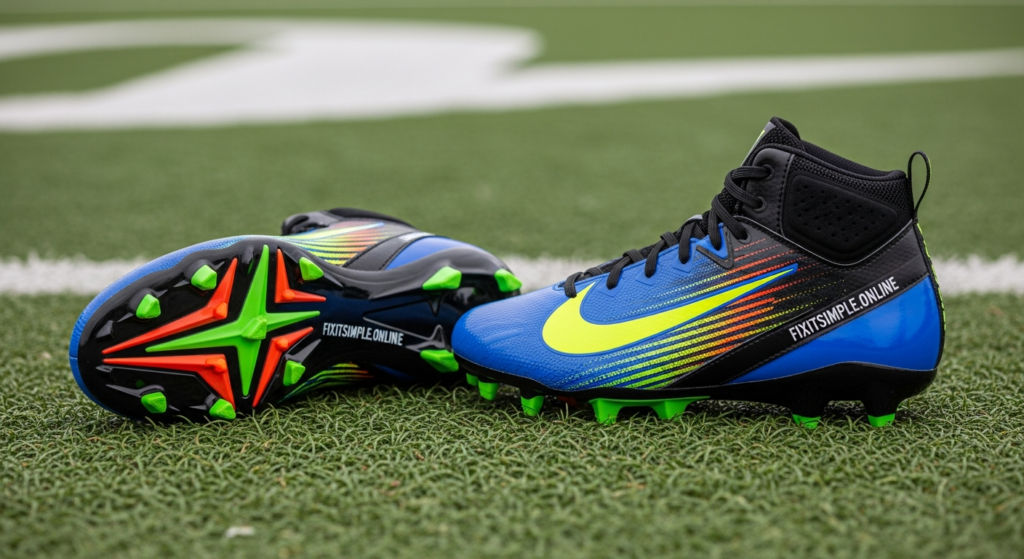
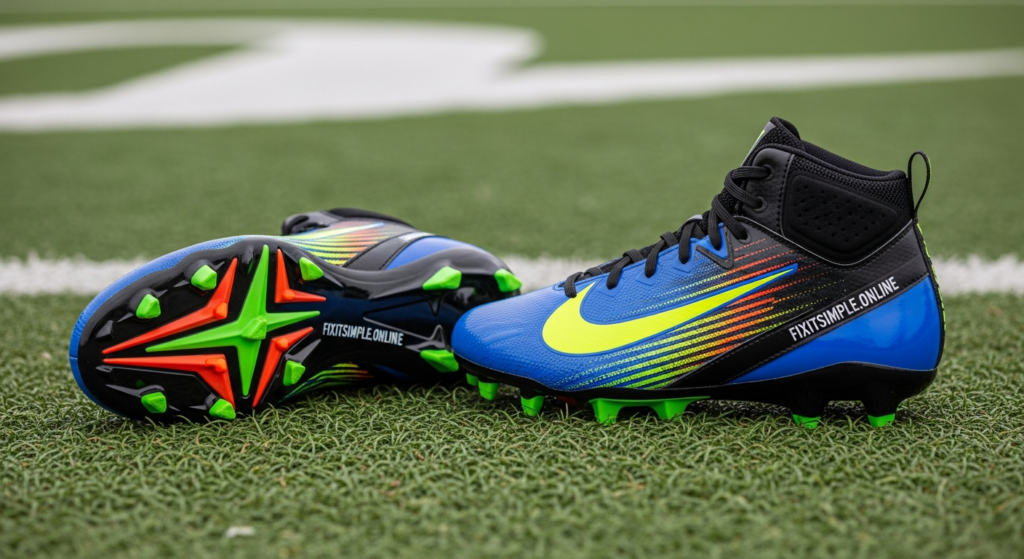
Molded cleats are the most common type for youth players. The studs are permanently attached to the sole and made from rubber or plastic. These cleats work well on most surfaces and require zero maintenance. They’re durable enough to last an entire season or longer, making them a smart investment for growing kids.
Most youth leagues allow molded cleats without restrictions. They provide good traction without being aggressive enough to cause injuries. If you’re buying your child’s first pair of football cleats, molded is usually the way to go.
Detachable Cleats
Detachable cleats feature studs that you can remove and replace. They offer more versatility since you can adjust the stud length based on field conditions. Shorter studs work better on hard, dry fields, while longer ones give more grip in muddy conditions.
However, many youth leagues don’t allow detachable cleats due to safety concerns. The metal studs can be more dangerous in youth play. Always check your league rules before investing in this type.
Turf Shoes
If your child plays on artificial turf, they might need turf shoes instead of traditional cleats. These have dozens of small rubber studs that provide traction without damaging synthetic surfaces. They’re also more comfortable for practices on turf fields.
Some parents buy both cleats and turf shoes so their child has the right footwear for any surface. It’s an added expense but can be worth it if your child plays frequently on different field types.
Key Features to Look for in Youth Football Cleats
Shopping for youth football cleats means balancing several important factors. Here’s what you should focus on to find the best pair for your young player.
Proper Ankle Support
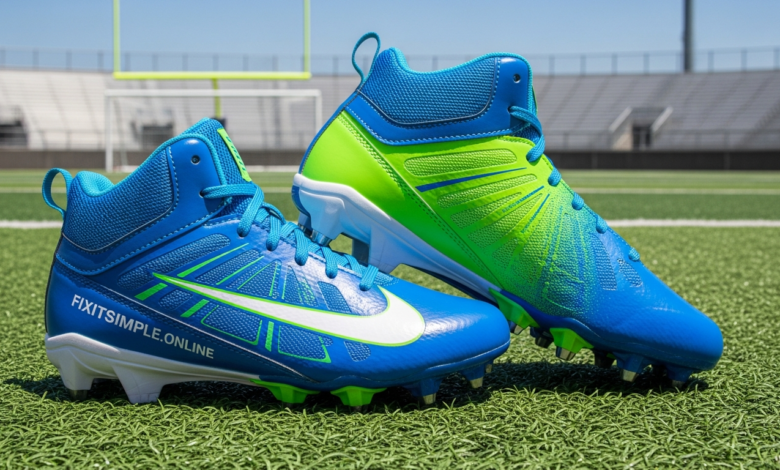
Youth football cleats come in three main cuts: low, mid, and high. Low-cut cleats sit below the ankle and offer maximum mobility. They’re popular with skill position players like running backs and wide receivers who need quick cuts and speed.
Mid-cut cleats provide moderate ankle support while still allowing good range of motion. They’re a versatile choice for most positions. High-cut cleats extend above the ankle and offer maximum support and protection. Linemen often prefer this style since they need stability during blocking and tackling.
Consider your child’s position and injury history when choosing ankle height. If they’ve had ankle problems before, more support might be beneficial.
Lightweight Construction
Young players tire more easily than adults. Heavy cleats can slow them down and reduce their enjoyment of the game. Modern youth football cleats use lightweight synthetic materials that don’t sacrifice durability.
Look for cleats made with synthetic leather or mesh uppers. These materials breathe well and keep feet cooler during games. They also break in faster than traditional leather, which means less discomfort for your child.
Weight matters more than you might think. Even a few ounces can affect a young player’s speed and endurance over a full game.
Cushioning and Comfort
Your child will wear these cleats for practices and games throughout the season. Comfort should be a top priority. Look for cleats with adequate cushioning in the heel and forefoot areas.
Many quality youth football cleats include EVA foam or similar cushioning systems. These absorb impact when your child runs and jumps. Good cushioning reduces foot fatigue and helps prevent common injuries like plantar fasciitis.
The insole should also provide arch support. Growing feet need proper support to develop correctly. Some cleats come with removable insoles, which lets you add custom orthotics if needed.
Durability
Kids are tough on their equipment. Youth football cleats need to withstand practices, games, and probably some rough treatment off the field too. Check the quality of the stitching and materials before buying.
Reinforced toe boxes help the cleats last longer since that area takes the most abuse. Double-stitched seams hold up better than single stitching. While synthetic materials are lighter, some leather cleats offer better durability for aggressive players.
You want cleats that will last the entire season at minimum. Buying a durable pair upfront saves you money in the long run.
Getting the Right Fit
Proper fit is crucial for youth football cleats. Shoes that are too big or too small can cause blisters, pain, and even injuries. Here’s how to ensure you get the sizing right.
Measuring Your Child’s Feet
Always measure your child’s feet before buying cleats. Kids’ feet grow quickly, so last year’s size probably won’t work. Measure both feet since one is often slightly larger than the other.
Have your child stand on a piece of paper and trace around each foot. Measure from the heel to the longest toe. Compare this measurement to the manufacturer’s size chart. Different brands size their cleats differently, so always check the specific chart for the cleats you’re considering.
Measure feet in the afternoon or evening. Feet naturally swell throughout the day, and you want to account for this expansion during games.
Trying Cleats On
If possible, have your child try on cleats before buying. They should wear the same type of socks they’ll wear during games. Football socks are typically thicker than everyday socks, which affects the fit.
Your child should have about a thumb’s width of space between their longest toe and the front of the cleat. Too much space allows the foot to slide around, causing blisters. Too little space cramps the toes and can lead to painful problems.
Have them walk around in the cleats. Check for any rubbing or pressure points. The heel should fit snugly without slipping. If the heel moves up and down when walking, the cleats are too big.
Breaking In New Cleats
Even properly fitted cleats need a break-in period. Don’t let your child wear brand new cleats for the first time during a game. They should wear them for several practices first.
Start with short sessions and gradually increase wear time. This helps the materials mold to your child’s feet without causing painful blisters. If certain spots feel tight, your child can wear the cleats around the house with thick socks to stretch them slightly.
Some parents apply leather conditioner to speed up the break-in process. This works well for leather cleats but isn’t necessary for synthetic materials.
Position-Specific Considerations
Different positions have different needs when it comes to youth football cleats. Understanding these requirements helps you choose the most appropriate pair.
Linemen
Offensive and defensive linemen need maximum stability and traction. They’re constantly engaged in pushing and hand-fighting with opponents. High-cut or mid-cut cleats provide the ankle support these positions require.
Linemen cleats should have a wider base for better balance. More aggressive stud patterns give better grip during blocking and pass rushing. Durability is especially important since linemen put tremendous stress on their footwear.
Weight is less critical for linemen than for skill positions. Focus more on support and traction.
Running Backs and Receivers
Speed and agility define these positions. Players need low-cut, lightweight cleats that don’t restrict ankle movement. Quick cuts and accelerations are part of every play.
Look for cleats with forefoot cushioning since running backs and receivers spend a lot of time on their toes. Flexible soles allow for natural foot movement. The cleat pattern should provide multidirectional traction for sharp cuts.
Many elite youth receivers prefer cleats designed specifically for their position. These often feature aggressive forefoot studs for explosive first steps.
Quarterbacks
Quarterbacks need a balance of mobility and stability. They move around the pocket but also need to plant firmly when throwing. Mid-cut cleats often work best, providing support without limiting movement.
Good traction is essential for quarterbacks. They need to push off firmly when throwing and shouldn’t slip during dropbacks. Comfortable cleats help quarterbacks focus on reading defenses rather than their feet.
Some quarterbacks prefer low-cut cleats for maximum mobility during scrambles. This comes down to personal preference and playing style.
Defensive Backs
Defensive backs need similar cleats to receivers since both positions prioritize speed and agility. Low-cut, lightweight options work best. These players make constant direction changes while covering receivers.
Lateral support is crucial for defensive backs. They’re always moving sideways and backward. Look for cleats with supportive sidewalls that prevent rolling ankles during cuts.
Breathability matters too since defensive backs are constantly sprinting. Mesh uppers keep feet cooler during long drives.
Budget-Friendly Shopping Tips
Quality youth football cleats don’t have to drain your wallet. Here are practical ways to find great cleats without overspending.
Timing Your Purchase
Shopping during off-season sales can save you significant money. Late winter and early spring often feature clearance sales as retailers make room for new models. You can find last year’s designs at steep discounts.
Black Friday and back-to-school sales also offer good deals on youth football cleats. Planning ahead lets you take advantage of these savings opportunities.
End-of-season sales are another smart time to shop. Your child might outgrow the cleats before next season, but if they’re still in a slow growth phase, you can stock up.
Considering Previous Models
The newest youth football cleats always cost more. Last year’s models often perform just as well but cost 30 to 50 percent less. Unless your child is playing at an elite level, previous-generation cleats will meet their needs perfectly.
Check online retailers and sporting goods stores for older inventory. These cleats haven’t gotten worse, they’re just not the latest release.
Technology in youth football cleats evolves slowly. What was top-of-the-line last year is still excellent equipment today.
Shopping Online vs. In-Store
Online shopping often offers better prices and selection. You can compare multiple brands and models quickly. Reading customer reviews helps you understand real-world performance and sizing.
However, shopping in-store lets your child try on cleats before buying. This reduces the risk of ordering the wrong size online. Some stores price-match online retailers, giving you the best of both worlds.
If shopping online, buy from retailers with good return policies. This way, if the cleats don’t fit properly, you can exchange them without hassle.
Buying Used Cleats
Many families sell gently used youth football cleats after kids outgrow them. You can find these at consignment shops, online marketplaces, or team equipment swaps. Used cleats cost a fraction of new ones.
Inspect used cleats carefully before buying. Check the stud condition, look for excessive wear, and ensure there are no structural problems. The uppers shouldn’t have tears or significant creasing.
Used cleats are a practical option for young players who are still growing rapidly. Why spend top dollar on cleats they’ll outgrow in six months?
Care and Maintenance
Proper care extends the life of youth football cleats and keeps them performing well. Teaching your child to maintain their equipment is also a valuable lesson.
Cleaning After Each Use
Mud and dirt break down cleat materials over time. Your child should clean their cleats after every practice and game. A stiff brush and water remove most debris effectively.
For stubborn dirt, use mild soap and warm water. Avoid putting cleats in the washing machine as this can damage the glue and stitching. Never put cleats in the dryer either.
Stuff cleats with newspaper after cleaning to help them maintain their shape while drying. This also absorbs moisture faster.
Proper Storage
Store youth football cleats in a cool, dry place. Excessive heat and humidity can warp the materials and break down the adhesives. Don’t leave them in a hot car or garage.
Keep cleats in a ventilated bag rather than a sealed container. This allows air circulation and prevents odor buildup. Some families use shoe deodorizers to keep cleats fresh.
Storing cleats properly between seasons is especially important. Clean them thoroughly and let them dry completely before putting them away for winter or summer.
When to Replace Cleats
Even with good care, youth football cleats eventually wear out. Watch for these signs that it’s time for a new pair. Worn-down studs reduce traction and increase injury risk.
Separated soles or tears in the upper mean the cleats have reached the end of their useful life. If your child complains of discomfort that wasn’t there before, the cushioning might be worn out. And of course, if their feet have grown, new cleats are necessary.
Don’t let your child play in worn-out cleats. The safety risks aren’t worth trying to squeeze out one more season.
League Rules and Regulations
Before finalizing your purchase, always check your league’s specific requirements for youth football cleats. Rules vary by organization and sometimes by age group.
Color Restrictions
Some youth football leagues have strict rules about cleat colors. They might require cleats to match team colors or ban certain flashy designs. Check with your coach or league administrator before buying.
Violating color rules might mean your child can’t play until they have approved cleats. Black cleats are generally safe since most leagues allow them.
Stud Requirements
Many youth leagues prohibit metal studs completely due to safety concerns. They might also have rules about stud length or configuration. Detachable cleats are often banned at younger age levels.
Standard molded cleats with rubber or plastic studs meet most league requirements. When in doubt, ask other parents on the team what their kids wear.
Safety Standards
Some leagues require cleats to meet specific safety certifications. These ensure the equipment won’t cause unnecessary injuries during play. Reputable brands design their youth football cleats to meet common safety standards.
Keep receipts and documentation in case you need to prove your cleats meet league requirements.
Common Mistakes to Avoid
Learning from others’ mistakes can save you time, money, and frustration. Here are common errors parents make when buying youth football cleats.
Buying Too Large
Many parents buy cleats a size or two too big, hoping their child will grow into them. This seems budget-conscious but actually causes problems. Loose cleats lead to blisters, poor performance, and increased injury risk.
Your child can’t play their best when their feet are sliding around inside their shoes. Buy cleats that fit properly now. If they outgrow them quickly, that’s part of having kids who play sports.
A proper fit is more important than maximizing wear time.
Ignoring Width
Feet come in different widths, but many parents only consider length when sizing. A child with wide feet crammed into narrow cleats will be miserable. They’ll develop blisters and might resist wearing the cleats at all.
Many brands offer wide sizes for youth football cleats. If your child has wide feet, look for brands known for roomier fits or specifically marked wide options.
Comfort affects performance more than parents often realize.
Choosing Style Over Function
It’s natural for kids to want the flashiest cleats their favorite players wear. But professional-style cleats aren’t always appropriate for youth players. Focus on fit, support, and appropriate features for your child’s age and skill level.
You can let your child have some input on color or design, but don’t sacrifice functionality for looks. The best youth football cleats are the ones your child will actually want to wear that also meet their needs.
Find options that balance your child’s preferences with practical requirements.
Neglecting Break-In Time
Never send your child to their first game in brand new, unworn cleats. This is asking for painful blisters and a miserable experience. New cleats need to be broken in gradually.
Your child should wear them for at least two or three practices before game day. This gives the materials time to mold to their feet and reveals any fit problems before they matter.
Planning ahead prevents last-minute cleat emergencies.
Conclusion
Choosing the right youth football cleats doesn’t have to be overwhelming. Focus on proper fit, appropriate features for your child’s position, and quality construction that will last the season. Remember that the most expensive cleats aren’t always the best choice for young players.
Start by understanding what type of cleat your league allows and what playing surface your child will be on most often. Measure their feet carefully and prioritize comfort and support over flashy designs. Take advantage of sales and previous-year models to stay within budget without sacrificing quality.
Most importantly, involve your child in the decision-making process. They’re more likely to take care of equipment they helped choose. When your young athlete feels confident and comfortable in their cleats, they can focus on what really matters: learning the game, improving their skills, and having fun on the field.
What features matter most to you when shopping for your child’s football cleats? Share your experiences in the comments below.
FAQs
How often should I replace my child’s youth football cleats?
Replace cleats when they’re worn out or when your child outgrows them. For growing kids, this might be every season or even mid-season. Watch for worn studs, tears in the material, or complaints about fit. If cleats still fit and are in good condition, they can last multiple seasons.
Can my child wear soccer cleats for football?
Most youth football leagues don’t allow soccer cleats. Football cleats have a toe stud that soccer cleats lack, and they’re built differently for the demands of football. Additionally, soccer cleats often don’t provide enough ankle support for football. Always use sport-specific cleats.
What’s the difference between low-cut and high-top youth football cleats?
Low-cut cleats sit below the ankle and offer maximum mobility but minimal ankle support. High-top cleats extend above the ankle, providing more support and stability but slightly restricting movement. Mid-cut cleats offer a compromise. Choose based on your child’s position, playing style, and injury history.
How much should I spend on youth football cleats?
Quality youth football cleats typically cost between forty and one hundred dollars. You don’t need to buy the most expensive pair, but extremely cheap cleats often lack proper support and durability. Look for mid-range options from reputable brands that balance quality and value.
Should I buy my child’s cleats online or in a store?
Both options have advantages. In-store shopping lets your child try on cleats for proper fit, which is especially important for first-time buyers. Online shopping offers better prices and selection. If buying online, choose retailers with easy return policies so you can exchange cleats that don’t fit properly.
How do I know if youth football cleats fit correctly?
Proper-fitting cleats should have about a thumb’s width of space between your child’s longest toe and the front of the shoe. The heel should fit snugly without slipping. Have your child walk around in the cleats wearing game socks. There should be no rubbing or pressure points. If possible, have them make a few cutting movements to test comfort during athletic motion.
Can youth football cleats be used on artificial turf?
Traditional cleats with longer studs can damage artificial turf and don’t provide optimal traction. Many facilities require turf shoes instead, which have numerous small rubber studs. Check your facility’s rules. Some shorter-studded molded cleats are acceptable on both grass and turf, offering versatility.
What’s the best way to break in new youth football cleats?
Start by having your child wear the cleats around the house with thick socks for thirty-minute sessions. Progress to wearing them during light practice activities before using them in full practices. This gradual approach allows the materials to mold to your child’s feet without causing blisters. The break-in period typically takes a few days to a week.
Also read fixitsimple.online