

Introduction
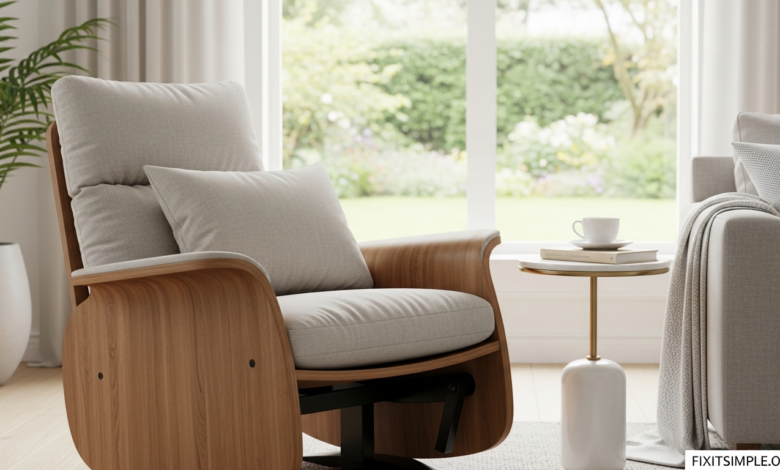
Picture this: you’re holding your newborn at 3 a.m., trying to soothe them back to sleep, and your back is screaming from standing. Or maybe you’re curled up with a book, but your regular chair just isn’t cutting it for comfort. This is where a glider chair changes everything.
A glider chair isn’t just another piece of furniture. It’s that smooth, calming motion that helps you relax, soothes fussy babies, and turns any corner of your home into a sanctuary. Unlike traditional rocking chairs that move in an arc and can wear down your floors, glider chairs move back and forth on a fixed track, offering gentle movement without the hassle.
In this guide, you’ll learn what makes glider chairs special, how to choose the right one for your space, and why so many people swear by them for nurseries, living rooms, and cozy reading spots. Whether you’re a new parent, someone dealing with back pain, or just looking for ultimate comfort, understanding glider chairs will help you make the smartest choice.
What Is a Glider Chair and How Does It Work?
A glider chair operates on a simple yet ingenious mechanism. Instead of rocking on curved legs like traditional rockers, it glides smoothly on a fixed track or rail system. Ball bearings or a similar mechanism allow the seat to move horizontally in a controlled, fluid motion.
Think of it like a swing that moves forward and backward rather than side to side. The base stays stationary while the seat glides, creating that soothing motion people love. This design makes glider chairs more stable and safer, especially when you’re holding a baby or have limited mobility.
Most glider chairs feature cushioned seats and backs for extended comfort. You’ll find them in various styles, from modern minimalist designs to plush, overstuffed versions. Some come with matching ottomans that glide in sync with the chair, taking comfort to another level.
The gliding mechanism is typically hidden beneath the seat, protected by a skirt or exposed for a more contemporary look. Quality glider chairs use sealed ball bearings that require minimal maintenance and provide whisper quiet operation. You won’t hear squeaking or creaking that older rocking chairs are known for.
Why Choose a Glider Chair Over a Traditional Rocker?
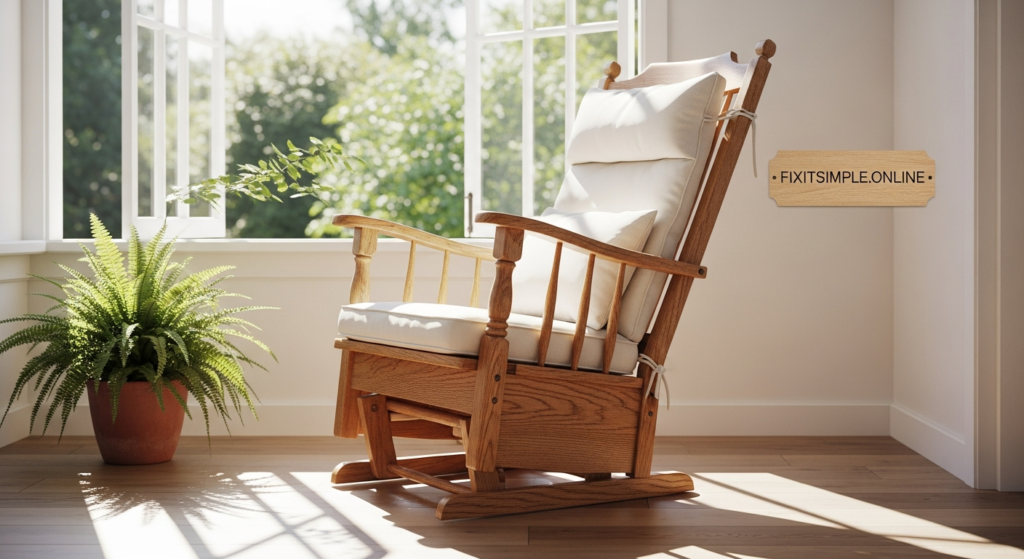
The battle between glider chairs and rocking chairs has been going on for years, but gliders have pulled ahead for good reasons. The smooth, horizontal motion is gentler on your body and doesn’t create the same jarring feeling that rocking chairs sometimes do.
Traditional rocking chairs can scuff and damage floors over time. The constant back and forth motion wears away finish and can leave marks on hardwood, tile, or even carpet. Glider chairs eliminate this problem entirely because the base doesn’t move against the floor.
Safety is another huge factor. Rocking chairs can tip if you rock too far back or if a child climbs on them incorrectly. Glider chairs have a much more stable base, reducing the risk of accidents. This makes them especially popular in nurseries where safety is paramount.
The motion of a glider chair is also easier to control. You can stop mid glide without the momentum carrying you further like a rocker does. This control matters when you’re trying to stand up while holding a sleeping baby or when you need to reach for something nearby.
Comfort wise, glider chairs typically offer better back support. Most are designed with ergonomics in mind, featuring lumbar support and cushioning that cradles your body. Traditional rockers often have straight backs that can leave you aching after extended sitting.
Types of Glider Chairs for Every Space
Nursery Glider Chairs
These are the most popular type of glider chair, designed specifically for parents and caregivers. Nursery gliders usually feature high backs, wide armrests, and extra padding for those long feeding sessions. Many come with side pockets for storing burp cloths, bottles, or pacifiers.
The best nursery glider chairs have stain resistant fabrics that can handle spit up and spills. Look for removable, washable covers if possible. Some models include built in USB ports for charging your phone during those midnight feeding marathons.
Swivel Glider Chairs
Want the best of multiple worlds? Swivel glider chairs rotate 360 degrees while also gliding. This functionality is perfect for parents who need to reach different areas of the nursery without standing up. You can swivel to grab diapers from the changing table or turn to watch your older child play.
These chairs work great in living rooms too. You can glide while watching TV, then swivel to join a conversation happening behind you. The dual motion adds versatility that standard gliders can’t match.
Reclining Glider Chairs
Talk about ultimate relaxation. Reclining glider chairs let you kick back, put your feet up, and glide all at once. They’re perfect for people recovering from surgery, dealing with back pain, or just wanting serious comfort.
Most reclining gliders have lever operated mechanisms that are easy to use with one hand. Some high end models even include power recline features with buttons or remotes. These are investment pieces that can serve you well for decades.
Outdoor Glider Chairs
Your patio or porch deserves comfort too. Outdoor glider chairs are made from weather resistant materials like treated wood, metal, or all weather wicker. They often come as benches that seat two people, perfect for enjoying evening breezes with a partner.
These gliders typically have slatted seats rather than cushions, though you can add outdoor pillows for extra comfort. They’re built to withstand sun, rain, and temperature changes while maintaining smooth gliding action.
Modern Minimal Glider Chairs
Not everyone wants the overstuffed nursery chair look. Modern glider chairs feature clean lines, exposed wood legs, and streamlined silhouettes. They fit perfectly in contemporary homes where design matters as much as function.
These chairs often use Scandinavian inspired designs with light woods and neutral fabrics. Despite their slim appearance, quality modern gliders still provide excellent comfort and support.
Key Features to Look for When Shopping
Frame Construction and Durability
The frame is the backbone of your glider chair. Solid hardwood frames like maple, oak, or birch will last decades. Avoid particle board or soft woods that can warp or break under regular use. Metal frames are another durable option, especially in modern designs.
Check the weight capacity. Most glider chairs support 250 to 300 pounds, but if you need more, specialty models go higher. Remember, you might be holding a child while sitting, so factor that into your calculations.
Cushioning and Upholstery
Comfort starts with what you sit on. High density foam cushioning maintains its shape better than standard foam. Memory foam adds contouring support but can sleep hot. Some chairs use a combination for the best of both worlds.
Upholstery choices include microfiber, polyester blends, genuine leather, and performance fabrics. Microfiber is soft and affordable but can show wear. Leather is luxurious and easy to wipe clean but comes with a higher price tag. Performance fabrics resist stains and are often the sweet spot for families.
Gliding Mechanism Quality
This is where you don’t want to cheap out. Ball bearing mechanisms provide the smoothest, quietest glide. Lower quality chairs might use plastic components that wear out quickly and develop annoying squeaks.
Test the glider in the store if possible. The motion should be effortless, requiring minimal leg push to keep it going. It should also stop smoothly without jerking or bouncing.
Armrest Height and Width
Armrests aren’t just for resting your arms. They’re crucial for support when getting in and out of the chair, especially if you’re holding a baby. The height should allow your arms to rest comfortably without hunching your shoulders.
Width matters too. Armrests should be wide enough to support your forearms during bottle feeding or breastfeeding. Some chairs have padded armrests that make long sessions more comfortable.
Size and Space Considerations
Measure your space before falling in love with a chair. Standard glider chairs need about 3 feet of clearance behind them for full gliding motion. Compact models are available if you’re working with limited space.
Consider the seat height as well. Your feet should touch the floor comfortably when seated. This is especially important if you’re shorter than average or plan to use the chair for nursing.
Setting Up Your Glider Chair for Maximum Comfort
Location makes a huge difference in how much you’ll actually use your glider chair. In nurseries, position it near the crib but not so close that you bump it when standing. Having a small side table within arm’s reach is incredibly helpful for setting down drinks, phones, or books.
Lighting is another consideration. You want enough light for nighttime tasks but nothing too harsh. A dimmer switch or a small lamp with a soft bulb works perfectly. Some parents swear by having a small bookshelf next to their glider for easy access to bedtime stories.
Add a footstool or ottoman if your glider doesn’t come with one. Elevating your feet improves circulation and reduces leg fatigue during long sitting sessions. Make sure the ottoman is the right height so your legs are slightly elevated, not pushed up awkwardly.
Temperature control matters more than you might think. Position your glider away from direct sunlight that can make it uncomfortably hot. If your room gets cold, keep a throw blanket draped over the back for easy access.
Maintaining and Caring for Your Glider Chair
Regular maintenance keeps your glider chair working smoothly for years. Vacuum the cushions weekly to prevent dust and debris buildup. For deeper cleaning, check the manufacturer’s instructions, as different fabrics require different approaches.
Spot clean spills immediately. Blot rather than rub to avoid spreading stains. Keep a fabric appropriate cleaner handy for emergencies. For leather chairs, use leather conditioner every few months to prevent cracking.
The gliding mechanism needs occasional attention. Check for dust or debris in the tracks and wipe them clean. A tiny amount of lubricant on the bearings once or twice a year keeps everything moving smoothly. Avoid over lubricating, which can attract more dust.
Tighten any loose screws or bolts as you notice them. The constant motion of gliding can work hardware loose over time. A quick check every few months takes just minutes and prevents bigger problems.
Rotate cushions if they’re reversible to distribute wear evenly. This simple step extends the life of your cushioning significantly. Some covers are removable and machine washable, making deep cleaning much easier.
Health Benefits of Using a Glider Chair
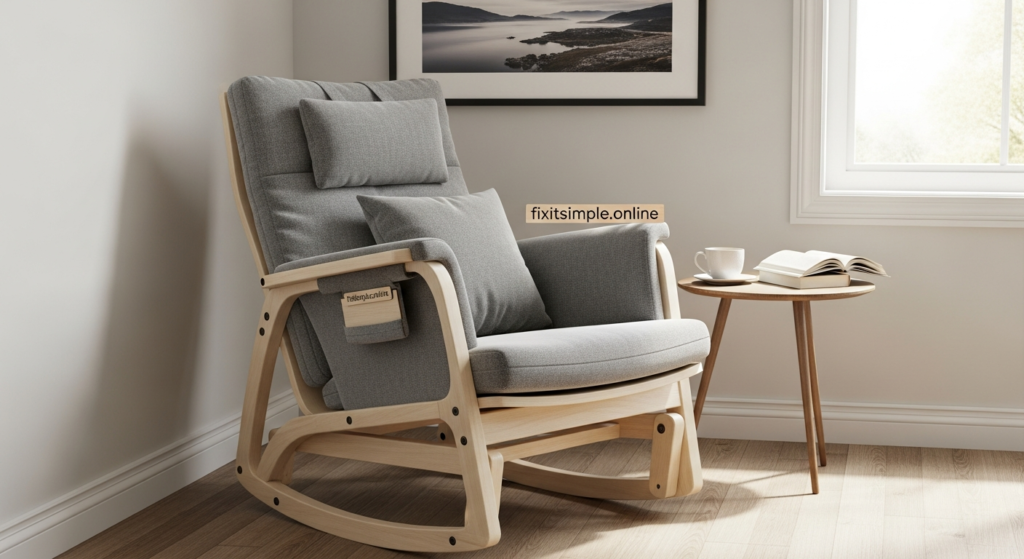
The gentle rocking motion of a glider chair isn’t just relaxing; it has real health benefits. The movement can help reduce stress and anxiety by triggering the same calming response as being rocked as a child. This makes gliders excellent for meditation or winding down after stressful days.
For people with back pain, glider chairs often provide better support than standard chairs. The ability to gently move engages your core muscles slightly, which can reduce stiffness from sitting too still. Many physical therapists recommend gliders for patients recovering from back injuries.
The motion helps improve circulation too. The gentle back and forth movement encourages blood flow in your legs, reducing the risk of swelling or discomfort during long sitting periods. This is especially beneficial for pregnant women or people with circulation issues.
Glider chairs can aid digestion when used after meals. The gentle movement helps food move through your digestive system more easily. This is one reason why many people find sitting in a glider after dinner particularly comfortable.
For breastfeeding mothers, the gliding motion can help trigger milk letdown reflexes. The relaxation combined with physical comfort creates an ideal environment for successful nursing sessions.
Styling Your Space Around a Glider Chair
A glider chair can be a statement piece or blend seamlessly into your existing decor. In nurseries, coordinate the chair color with your overall theme. Neutral colors like gray, beige, or cream work with any design and won’t look dated as your child grows.
Create a cozy corner by adding a reading lamp and small bookcase near your glider. This transforms unused space into a functional retreat. A small rug under the glider defines the area and adds warmth underfoot.
In living rooms, treat your glider like any accent chair. Position it at an angle in a corner, or pair it with a sofa for additional seating. Modern gliders with exposed wood legs look fantastic in contemporary spaces.
Add throw pillows for pops of color and extra lumbar support. Choose fabrics that complement your glider’s upholstery but add visual interest. Textured pillows like cable knit or velvet add dimension.
Consider the view from your glider. Position it facing a window for natural light and outdoor views, or angle it toward your TV or fireplace. The direction you face affects how much you’ll use and enjoy the chair.
Budget Guide: What to Expect at Different Price Points
Under $200 glider chairs exist, but quality is often questionable. These entry level options might work for occasional use but typically feature inferior cushioning, noisy mechanisms, and less durable frames. They’re worth considering if you need something temporary.
The $200 to $500 range offers much better value. You’ll find solid wood frames, decent cushioning, and reliable gliding mechanisms. Many excellent nursery gliders fall into this category. Brands at this level often use stain resistant fabrics and offer basic color options.
Spending $500 to $1,000 gets you premium features. Expect high quality upholstery, superior cushioning, smooth and silent mechanisms, and attractive designs. Many chairs in this range include matching ottomans. This is the sweet spot for most buyers seeking long term furniture.
Over $1,000 brings luxury features like power reclining, USB charging ports, genuine leather upholstery, and designer fabrics. These investment pieces often come with extended warranties and can last 20 years or more with proper care.
Don’t forget to budget for accessories. A good ottoman adds $100 to $300. Custom slipcovers range from $50 to $200. Factor in any additional costs when setting your budget.
Common Mistakes to Avoid When Buying
The biggest mistake is not testing the chair before buying. What looks comfortable might feel awkward when you actually sit and glide. If buying online, check the return policy carefully. You need flexibility if the chair doesn’t work for your body.
Many people choose style over comfort, then regret it. That gorgeous modern chair might look amazing in photos but leave you sore after 30 minutes. Prioritize how the chair feels first, then find one that also matches your aesthetic.
Ignoring measurements causes problems. A chair that’s too wide for your space won’t glide properly. One that’s too tall might hit wall decorations. One that’s too small won’t provide adequate support. Measure twice, buy once.
Overlooking the ottoman is a missed opportunity. The ottoman transforms a good glider into a great one. If your budget is tight, buy a basic ottoman now and upgrade later. Your feet and back will thank you.
Some buyers focus only on the initial purchase price and ignore long term costs. A cheap chair that breaks in two years costs more than a quality one that lasts a decade. Think total cost of ownership, not just the price tag.
Glider Chairs for Special Needs
People with mobility issues benefit greatly from glider chairs. The smooth motion requires less effort than standing or using a regular rocking chair. Look for models with higher seats that make standing easier, and sturdy armrests that provide support.
For individuals with autism or sensory processing disorders, the gentle gliding motion can be incredibly soothing. Many therapists recommend glider chairs as part of a sensory diet. The predictable, controlled movement provides comfort without overwhelming input.
Elderly users should look for gliders with firm cushions that are easier to get in and out of. Recliners with lift functions are available for those who need extra help standing. These power lift gliders gently tilt forward to assist with standing.
Chronic pain sufferers often find relief in glider chairs. The ability to shift position while maintaining support helps prevent pressure points and stiffness. Memory foam cushioning adds extra comfort for sensitive areas.
Environmental and Safety Considerations
Check for safety certifications when buying a glider chair, especially for nurseries. Look for JPMA certification, which ensures the chair meets safety standards. Avoid chairs with small parts that could come loose and become choking hazards.
Flame retardant chemicals in upholstery concern many parents. Look for chairs that meet fire safety standards without using harmful chemicals. Some manufacturers specifically advertise chemical free or low VOC products.
Sustainable materials matter if you’re environmentally conscious. Solid wood from responsibly managed forests is better than particle board made with formaldehyde. Organic cotton or hemp fabrics are available from eco friendly brands.
For households with pets, consider how your glider chair will hold up to claws and fur. Leather shows scratches but cleans easily. Tight weave fabrics resist snagging. Avoid loose weave or delicate materials if you have cats.
Always anchor glider chairs in homes with young children. While stable, any furniture can tip if climbed on. Use furniture straps to secure gliders to walls in children’s rooms.
Conclusion
A glider chair is more than just furniture. It’s a place where you’ll feed your baby at dawn, read countless bedtime stories, and find your own moments of peace. The smooth, gentle motion provides comfort that standard chairs simply can’t match. Whether you need it for a nursery, living room, or personal retreat, the right glider chair becomes a treasured spot in your home.
Remember to prioritize comfort and quality over trendy designs that might not last. Test chairs in person when possible, pay attention to construction details, and don’t skip the ottoman. Your body will spend countless hours in this chair, so choose wisely. With proper care, a quality glider chair will serve you for decades, making it one of the smartest furniture investments you can make.
Have you found the perfect glider chair for your space? What features matter most to you? Your comfort journey starts with that first smooth glide.
FAQs
What is the difference between a glider and a rocker chair?
A glider chair moves horizontally on a fixed track using a ball bearing system, while a rocker chair moves in an arc on curved legs. Gliders provide smoother motion, don’t damage floors, and are generally more stable and safer than traditional rockers.
Can you use a glider chair without an ottoman?
Yes, you can absolutely use a glider chair without an ottoman. However, an ottoman significantly increases comfort by allowing you to elevate your feet, improve circulation, and maintain better posture during extended sitting sessions. Many people start without one and add it later.
How much weight can a glider chair hold?
Most standard glider chairs support 250 to 300 pounds. Heavy duty models can hold up to 400 pounds or more. Always check the manufacturer’s specifications before purchasing, especially if you’ll be holding a child while seated or need higher capacity.
Are glider chairs good for your back?
Yes, quality glider chairs often provide excellent back support. The gentle gliding motion engages core muscles slightly, which can reduce stiffness. Look for chairs with good lumbar support and high density foam cushioning for the best back health benefits.
How do you clean a fabric glider chair?
Vacuum regularly to remove dust and debris. Spot clean spills immediately by blotting with appropriate fabric cleaner. Many glider chairs have removable, washable covers. For deeper cleaning, check manufacturer instructions as different fabrics require different care methods.
Can glider chairs be used outdoors?
Yes, outdoor glider chairs are specifically designed for patio and porch use. They’re made from weather resistant materials like treated wood, metal, or all weather wicker. Indoor gliders should not be used outside as moisture and sun will damage them quickly.
How long do glider chairs typically last?
A quality glider chair with a solid wood frame and ball bearing mechanism can last 15 to 20 years or more with proper care. Cheaper models might only last 3 to 5 years. Regular maintenance and quality construction are key factors in longevity.
Do glider chairs make noise?
Quality glider chairs with sealed ball bearing mechanisms operate almost silently. Cheaper models or those needing maintenance might squeak or creak. Regular cleaning of the tracks and occasional lubrication keeps gliders quiet. Noise is often a sign of poor quality or needed maintenance.
What size room do you need for a glider chair?
You need at least 3 feet of clearance behind a glider chair for full gliding motion. Measure your space carefully, accounting for the chair’s footprint plus movement space. Compact glider models are available for smaller rooms or tight corners.
Are expensive glider chairs worth it?
Higher priced glider chairs typically offer better construction, superior cushioning, premium fabrics, and longer warranties. If you’ll use the chair daily for years, the investment pays off in comfort and durability. For occasional use, mid range options often provide adequate quality at lower cost.
Also read fixitsimple.online