

Introduction
Walking into your business one morning to find the lights won’t turn on is every owner’s nightmare. Or maybe you’re planning an expansion and realize your current electrical system can’t handle the load. These moments make you realize just how critical electrical work is to your business operations.
That’s where a commercial electrician becomes your most valuable partner. Unlike residential electricians who work on homes, a commercial electrician specializes in the complex electrical systems that power businesses, retail spaces, warehouses, and industrial facilities. They understand building codes, safety regulations, and the unique demands of commercial properties.
In this guide, you’ll learn everything about working with a commercial electrician. We’ll cover what they do, how much services cost, how to choose the right professional, and why cutting corners on electrical work is never worth the risk. Whether you’re opening a new business or maintaining an existing one, this information will help you make smart decisions about your electrical needs.
What Does a Commercial Electrician Do?
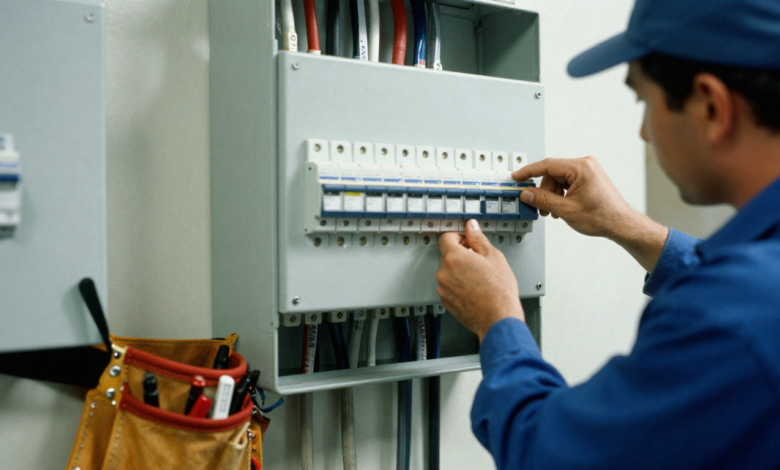
A commercial electrician handles electrical systems in business environments. Their work goes far beyond simply changing light bulbs or fixing outlets. These professionals design, install, maintain, and repair complex electrical systems that keep commercial buildings running safely and efficiently.
The scope of work for a commercial electrician includes installing three-phase power systems, setting up backup generators, working with high-voltage equipment, and managing sophisticated lighting systems. They also handle fire alarm systems, security installations, data cabling, and energy management systems.
When you hire a commercial electrician, you’re getting someone trained to work with commercial-grade equipment. They understand load calculations, power distribution, and how to meet strict commercial building codes. This expertise differs significantly from residential work.
A commercial electrician also performs preventive maintenance. Regular inspections catch problems before they cause expensive downtime or safety hazards. They test circuit breakers, check electrical panels, inspect wiring, and ensure everything meets current safety standards.
Many commercial electricians specialize in specific areas. Some focus on new construction, while others excel at retrofitting older buildings. Some specialize in industrial settings with heavy machinery, while others work primarily in office buildings or retail spaces.
Commercial Electrician vs Residential Electrician: Key Differences
You might wonder if any electrician can handle commercial work. The answer is no. A commercial electrician requires different training, licensing, and experience compared to residential electricians.
Voltage levels present the first major difference. A commercial electrician regularly works with 480-volt three-phase power systems. Residential electricians typically deal with 120-volt and 240-volt single-phase systems. Higher voltages require specialized knowledge and safety protocols.
Building codes also differ substantially. Commercial properties must meet stricter electrical codes. A commercial electrician stays current with National Electrical Code requirements for commercial buildings, local ordinances, and industry-specific regulations.
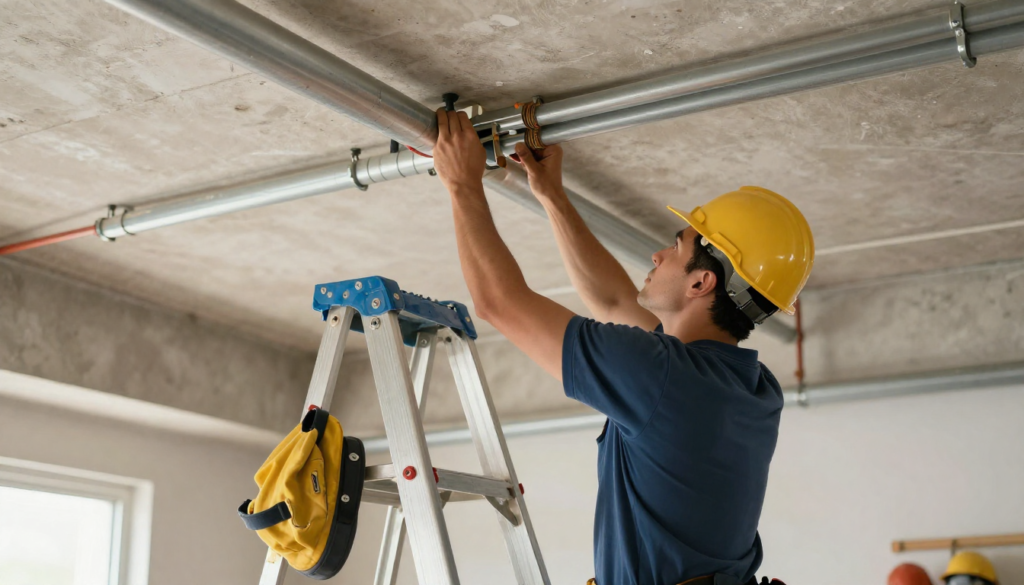
The scale of work differs dramatically. A commercial electrician might wire an entire shopping center or install electrical systems for manufacturing equipment. They work with electrical panels rated for hundreds or thousands of amps, not the typical 200-amp residential service.
Licensing requirements vary by location, but becoming a commercial electrician usually requires additional certifications. Most states require specific commercial licensing beyond basic electrician credentials. This ensures the commercial electrician understands the complexities of business electrical systems.
Project timelines and coordination differ too. A commercial electrician often works as part of a larger construction team. They coordinate with general contractors, architects, engineers, and building inspectors. This requires strong project management skills alongside technical expertise.
Types of Services Offered by a Commercial Electrician
A commercial electrician provides a wide range of services tailored to business needs. Understanding these services helps you know when to call for help.
Installation Services
New construction requires a commercial electrician from the ground up. They design electrical systems, pull permits, install wiring throughout the building, set up electrical panels, and connect to utility power. They also install specialized equipment like transformers and distribution panels.
Maintenance and Inspections
Regular maintenance prevents costly breakdowns. A commercial electrician performs scheduled inspections, tests safety systems, checks for code violations, and identifies potential problems. This proactive approach saves money compared to emergency repairs.
Repair Services
When something goes wrong, a commercial electrician diagnoses and fixes the problem quickly. They repair faulty wiring, replace damaged equipment, troubleshoot circuit issues, and restore power safely. Fast response times minimize business disruption.
Upgrades and Renovations
Growing businesses need electrical upgrades. A commercial electrician can increase your electrical capacity, upgrade outdated panels, retrofit lighting systems for energy efficiency, and add circuits for new equipment.
Emergency Services
Electrical emergencies don’t wait for business hours. Many commercial electrician services offer 24/7 emergency response. They handle power outages, electrical fires, exposed wiring, and other urgent situations.
Specialized Services
Some commercial electricians offer specialized services like generator installation and maintenance, solar panel installation, electric vehicle charging stations, data center electrical work, and industrial equipment wiring.
How Much Does a Commercial Electrician Cost?
Understanding costs helps you budget appropriately. A commercial electrician typically charges more than residential electricians due to specialized skills and higher liability.
Hourly Rates
Most commercial electricians charge between $75 and $150 per hour. Rates vary based on location, experience, and job complexity. Urban areas typically cost more than rural locations. Master electricians command higher rates than journeyman electricians.
Project-Based Pricing
For larger jobs, a commercial electrician might quote a flat project rate. This gives you cost certainty upfront. Project pricing depends on scope, materials needed, labor hours estimated, and permits required.
Emergency Service Costs
Emergency calls cost more. Expect to pay premium rates for after-hours, weekend, or holiday service. A commercial electrician might charge double or triple normal rates for emergency work. However, the cost of extended downtime often exceeds emergency service fees.
Factors Affecting Cost
Several factors influence what a commercial electrician charges. Job complexity matters significantly. Simple repairs cost less than complete rewiring projects. Material costs vary based on quality and availability. Travel distance can add fees. Required permits and inspections add to total costs.
Cost Comparison Examples
Installing new lighting might cost $500 to $2,000 per room depending on fixtures and wiring needed. Upgrading an electrical panel runs $2,000 to $5,000 or more. Complete building rewiring can cost $8 to $15 per square foot. Generator installation ranges from $5,000 to $25,000 based on size and complexity.
Ways to Manage Costs
Get multiple quotes from different commercial electrician companies. This helps you understand fair market rates. Ask about payment plans for large projects. Schedule non-emergency work during regular hours. Maintain your electrical systems regularly to avoid expensive emergency repairs.
How to Choose the Right Commercial Electrician
Selecting the right commercial electrician protects your business investment. Not all electricians offer the same quality or reliability.
Verify Licensing and Insurance
Always confirm your commercial electrician holds proper licensing. Check with your state licensing board. They should carry general liability insurance and workers’ compensation coverage. Ask for proof of insurance before work begins.
Check Experience and Specialization
Ask how long the commercial electrician has worked in commercial settings. Inquire about similar projects they’ve completed. A commercial electrician experienced in your industry understands specific requirements. Retail spaces differ from manufacturing facilities or office buildings.
Read Reviews and Get References
Online reviews provide valuable insights. Check Google, Yelp, and industry-specific sites. Ask the commercial electrician for references from recent projects. Contact those references and ask about quality, timeliness, and professionalism.
Evaluate Communication Skills
A good commercial electrician communicates clearly. They should explain problems in understandable terms, provide detailed written estimates, and respond promptly to questions. Poor communication often signals other problems.
Compare Detailed Estimates
Get written estimates from at least three commercial electrician companies. Compare what’s included in each quote. The lowest bid isn’t always the best value. Look for detailed breakdowns of labor, materials, and timeline.
Ask About Warranties
Reputable commercial electricians stand behind their work. Ask about warranties on labor and materials. Understand what’s covered and for how long. Written warranty terms protect you if problems arise later.
Assess Availability and Response Time
Your business can’t afford long waits for electrical work. Ask about typical response times. Does the commercial electrician offer emergency services? Can they accommodate your schedule to minimize business disruption?
Safety Standards and Regulations
Safety separates professional commercial electricians from amateurs. Electrical work poses serious risks when done incorrectly.
National Electrical Code Compliance
Every commercial electrician must follow the National Electrical Code (NEC). This comprehensive standard covers electrical installation requirements. The NEC updates every three years. Your commercial electrician should work with the current code version.
OSHA Requirements
The Occupational Safety and Health Administration sets workplace safety standards. A commercial electrician working on your property must follow OSHA regulations. This protects both their workers and your employees.
Local Building Codes
Local jurisdictions often have additional requirements beyond national codes. A knowledgeable commercial electrician understands local ordinances. They pull necessary permits and schedule required inspections.
Arc Flash Safety
Commercial electrical systems pose arc flash hazards. A qualified commercial electrician assesses arc flash risks, labels equipment appropriately, and follows safety protocols when working on energized equipment.
Grounding and Bonding
Proper grounding protects people and equipment. A commercial electrician ensures all systems are correctly grounded. This prevents electric shock and reduces fire risk.
Regular Safety Inspections
Periodic inspections identify safety issues before they cause accidents. A commercial electrician can perform comprehensive safety audits. They check for code violations, assess equipment condition, test ground fault protection, and verify proper labeling.
Signs You Need to Call a Commercial Electrician
Recognizing problems early prevents bigger issues. Watch for these warning signs.
Frequent Circuit Breaker Trips
If breakers trip repeatedly, something’s wrong. A commercial electrician can determine if you’re overloading circuits or if there’s a wiring fault. Ignoring this problem risks electrical fire.
Flickering or Dimming Lights
Occasional flickers might seem minor. However, persistent lighting issues indicate loose connections, overloaded circuits, or voltage problems. A commercial electrician should investigate.
Burning Smells or Discolored Outlets
Burning odors around electrical equipment signal immediate danger. Discolored or warm outlets indicate overheating. Call a commercial electrician immediately. These signs often precede electrical fires.
Buzzing Sounds from Electrical Panels
Electrical equipment should operate quietly. Buzzing, humming, or crackling sounds indicate loose connections or failing components. Have a commercial electrician inspect the source promptly.
High Electrical Bills
Unexplained increases in electricity costs might indicate electrical system inefficiency. A commercial electrician can perform an energy audit and identify problems causing excess consumption.
Adding New Equipment
Planning to add machinery, computers, or other electrical equipment? Consult a commercial electrician first. They’ll determine if your current system can handle the additional load or if upgrades are needed.
Renovations or Expansions
Any construction project affecting your building requires a commercial electrician. They’ll ensure new electrical work integrates properly with existing systems and meets current codes.

Benefits of Hiring a Licensed Commercial Electrician
Working with licensed professionals provides numerous advantages beyond just getting the job done.
Expertise and Knowledge
A licensed commercial electrician has undergone extensive training. They’ve completed apprenticeships, passed rigorous exams, and maintain continuing education. This expertise ensures quality work.
Code Compliance Guaranteed
Licensed commercial electricians know current electrical codes. Their work passes inspections. This matters when selling property or dealing with insurance claims. Non-compliant work creates liability.
Safety Assurance
Proper electrical work protects lives and property. A commercial electrician follows safety protocols that prevent accidents. They use appropriate tools and techniques that amateurs lack.
Insurance Protection
Licensed commercial electricians carry insurance protecting you from liability. If someone gets injured or property gets damaged during electrical work, their insurance covers it. Unlicensed workers leave you exposed to lawsuits.
Warranty and Accountability
A professional commercial electrician stands behind their work. Licensed contractors maintain reputations and can’t afford shoddy work. You have recourse if problems occur.
Proper Tools and Equipment
Commercial electrical work requires specialized tools. A commercial electrician invests in proper equipment including testing instruments, safety gear, and installation tools. This ensures efficient, safe work.
Time and Cost Efficiency
Experienced commercial electricians work faster than inexperienced workers. They know efficient methods and avoid mistakes. While hourly rates seem high, total project costs often end up lower than DIY attempts.
Common Commercial Electrical Projects
Understanding typical projects helps you anticipate needs and budget accordingly.
Lighting Retrofits
Upgrading to LED lighting reduces energy costs dramatically. A commercial electrician can retrofit existing fixtures or install new ones. They’ll calculate lighting needs, select appropriate fixtures, and ensure proper switching and controls.
Panel Upgrades
Older buildings often have undersized electrical panels. As businesses grow, power demands increase. A commercial electrician can upgrade your main panel, add sub-panels for new circuits, and ensure adequate capacity for future growth.
Backup Generator Installation
Power outages cost businesses money. A commercial electrician can install backup generators ensuring continuity during outages. They’ll size the generator appropriately, install automatic transfer switches, and connect critical circuits.
Electric Vehicle Charging Stations
Many businesses now offer EV charging. A commercial electrician designs and installs charging infrastructure. They ensure adequate power supply, proper installation, and compliance with EV charging standards.
Data and Communication Wiring
Modern businesses run on data. A commercial electrician installs structured cabling systems including network cables, fiber optics, and telephone systems. They ensure proper installation that minimizes interference and maximizes performance.
Security System Integration
Security cameras, access control, and alarm systems require proper electrical infrastructure. A commercial electrician works with security installers ensuring adequate power and proper integration with building systems.
Energy Efficiency and Commercial Electrical Systems
Energy costs significantly impact business profitability. A knowledgeable commercial electrician helps reduce consumption.
Energy Audits
A commercial electrician can perform comprehensive energy audits. They identify inefficient equipment, find areas of waste, recommend improvements, and calculate potential savings.
LED Lighting Conversion
LED technology uses 75% less energy than traditional lighting. A commercial electrician can design LED retrofits that improve lighting quality while dramatically reducing costs. Rebates often offset installation expenses.
Power Factor Correction
Poor power factor increases electricity costs. A commercial electrician can install power factor correction equipment. This improves efficiency and may reduce utility bills substantially.
Smart Controls and Automation
Modern building automation saves energy. A commercial electrician installs occupancy sensors, programmable thermostats, automated lighting controls, and energy management systems. These technologies reduce waste without sacrificing comfort.
Equipment Upgrades
Old electrical equipment operates inefficiently. A commercial electrician can recommend and install high-efficiency motors, transformers, and other equipment. The investment often pays for itself through reduced operating costs.
Preventive Maintenance Programs
Regular maintenance prevents problems and extends equipment life. Smart business owners work with a commercial electrician on scheduled maintenance.
What Maintenance Includes
A typical maintenance program involves regular inspections, testing of safety devices, thermal imaging to detect hot spots, tightening of connections, and cleaning of electrical equipment.
Benefits of Regular Maintenance
Preventive maintenance catches small problems before they become expensive repairs. It reduces unexpected downtime, extends equipment life, maintains safety, and often reduces insurance premiums.
Maintenance Schedule
How often you need a commercial electrician for maintenance depends on your facility. High-use environments might need quarterly visits. Less demanding facilities might need only annual inspections. Your commercial electrician can recommend an appropriate schedule.
Documentation and Reporting
Professional commercial electricians provide detailed reports after maintenance visits. These documents track your system’s condition over time. They’re valuable for insurance purposes and when selling property.
Working with a Commercial Electrician During Construction
New construction or major renovations require careful electrical planning.
Design Phase Involvement
Bring a commercial electrician into your project early. They’ll review architectural plans, identify electrical requirements, suggest improvements for efficiency and functionality, and help avoid costly changes later.
Coordination with Other Trades
A commercial electrician coordinates with general contractors, HVAC installers, plumbers, and other trades. Proper coordination prevents conflicts and ensures smooth installation.
Phased Installation
Large projects happen in phases. Your commercial electrician will rough in wiring during framing, install panels and equipment as appropriate, and complete finish work after walls are closed. They coordinate inspections at each phase.
Testing and Commissioning
Before you occupy new space, a commercial electrician tests all systems. They verify proper operation, check safety features, ensure code compliance, and correct any issues found.
Conclusion
Your business depends on reliable electrical systems. Working with a qualified commercial electrician ensures those systems operate safely, efficiently, and reliably. From routine maintenance to major installations, these professionals provide expertise you can’t afford to do without.
Remember that electrical work isn’t an area to cut corners. The risks of improper installation or repair far outweigh any short-term savings from hiring unqualified workers. A licensed commercial electrician brings knowledge, experience, and accountability that protects your investment.
Whether you’re opening a new business, expanding existing operations, or simply maintaining your current facility, building a relationship with a trusted commercial electrician pays dividends. They become a partner in your success, helping you avoid problems, plan for growth, and keep your business running smoothly.
Don’t wait for an emergency to find a commercial electrician. Research local professionals now, check their credentials, and establish a relationship before you need urgent help. Your future self will thank you.
What electrical challenges is your business facing? Have you found a reliable commercial electrician you trust?
Frequently Asked Questions
How do I know if I need a commercial electrician or residential electrician?
If you’re working on a business property, retail space, warehouse, or any non-residential building, you need a commercial electrician. These professionals have specific training and licensing for commercial electrical systems. They understand three-phase power, commercial codes, and business-specific requirements that residential electricians typically don’t handle.
What qualifications should a commercial electrician have?
A qualified commercial electrician should hold a state-issued commercial electrical license, carry liability and workers’ compensation insurance, have several years of commercial experience, and maintain continuing education. Ask to see their license number and verify it with your state licensing board. They should also provide references from recent commercial projects.
How much does it cost to hire a commercial electrician for a small business?
Costs vary significantly based on the work needed. Basic service calls start around $150 to $300. Simple repairs might cost $300 to $800. More extensive work like panel upgrades runs $2,000 to $5,000. Complete rewiring of a small commercial space could cost $10,000 to $30,000 or more. Get detailed written estimates from multiple commercial electricians before proceeding.
Can I do any commercial electrical work myself to save money?
Most jurisdictions prohibit unlicensed individuals from performing commercial electrical work. Even if you have residential electrical skills, commercial work requires different licensing. Insurance companies may deny claims for fires or accidents caused by unpermitted work. Always hire a licensed commercial electrician for business electrical needs. The risk isn’t worth potential savings.
How often should a commercial electrician inspect my business?
Inspection frequency depends on your facility type and usage. High-demand environments like restaurants or manufacturing facilities should have annual inspections. Typical office buildings might need inspections every three to five years. However, if you experience any electrical issues, have a commercial electrician inspect immediately. Regular maintenance prevents expensive emergencies.
What’s the difference between a journeyman and master commercial electrician?
A journeyman commercial electrician has completed an apprenticeship and passed licensing exams. They can perform electrical work but typically work under supervision. A master commercial electrician has additional years of experience, passed more rigorous exams, and can work independently. Masters can pull permits and supervise other electricians. Either can handle your needs, though masters typically charge higher rates.
Do commercial electricians offer emergency services?
Many commercial electrician companies provide 24/7 emergency services. Electrical emergencies can’t wait until business hours. However, emergency service costs significantly more than scheduled work. Expect to pay premium rates for after-hours, weekend, or holiday calls. Keep emergency contact information for your commercial electrician readily available.
How long does it take to become a commercial electrician?
Becoming a licensed commercial electrician typically requires four to five years of apprenticeship, thousands of hours of supervised work experience, classroom education, and passing state licensing exams. Many commercial electricians start with residential training and then specialize in commercial work. The extensive training ensures they have the knowledge to handle complex commercial electrical systems safely.
Will a commercial electrician provide a warranty on their work?
Reputable commercial electricians stand behind their work with warranties. Labor warranties typically cover one to five years depending on the project. Material warranties depend on manufacturer terms. Get warranty details in writing before work begins. Understand what’s covered, how long coverage lasts, and what might void the warranty. This protection gives you peace of mind.
Can a commercial electrician help reduce my business energy costs?
Absolutely. A knowledgeable commercial electrician can perform energy audits, recommend LED lighting upgrades, install power factor correction equipment, suggest smart controls and automation, and identify inefficient equipment. Many improvements pay for themselves through energy savings. Some utility companies offer rebates for energy-efficient upgrades installed by licensed commercial electricians. Ask about available incentives in your area.
Also read fixitsimple.online