
Introduction
You’ve probably seen miso paste sitting on grocery store shelves and wondered what all the fuss is about. This thick, salty paste might look intimidating at first glance, but it’s one of the most versatile ingredients you can keep in your kitchen. Miso paste has been a cornerstone of Japanese cuisine for centuries, and now it’s making waves in kitchens worldwide.
Whether you’re looking to make traditional miso soup or want to add depth to marinades, dressings, and even desserts, understanding miso paste opens up a world of culinary possibilities. In this guide, I’ll walk you through everything you need to know about this fermented wonder. You’ll learn about different types, health benefits, storage methods, and creative ways to use it. By the end, you’ll feel confident incorporating miso paste into your everyday cooking.
What Is Miso Paste?
Miso paste is a traditional Japanese seasoning made through fermentation. The basic ingredients are simple: soybeans, salt, and koji (a type of fungus called Aspergillus oryzae). Sometimes grains like rice or barley join the mix.
The magic happens during fermentation, which can last anywhere from a few weeks to several years. During this time, enzymes break down the soybeans and grains into amino acids and sugars. This process creates miso paste’s distinctive umami flavor, that savory, almost meaty taste that makes food more satisfying.
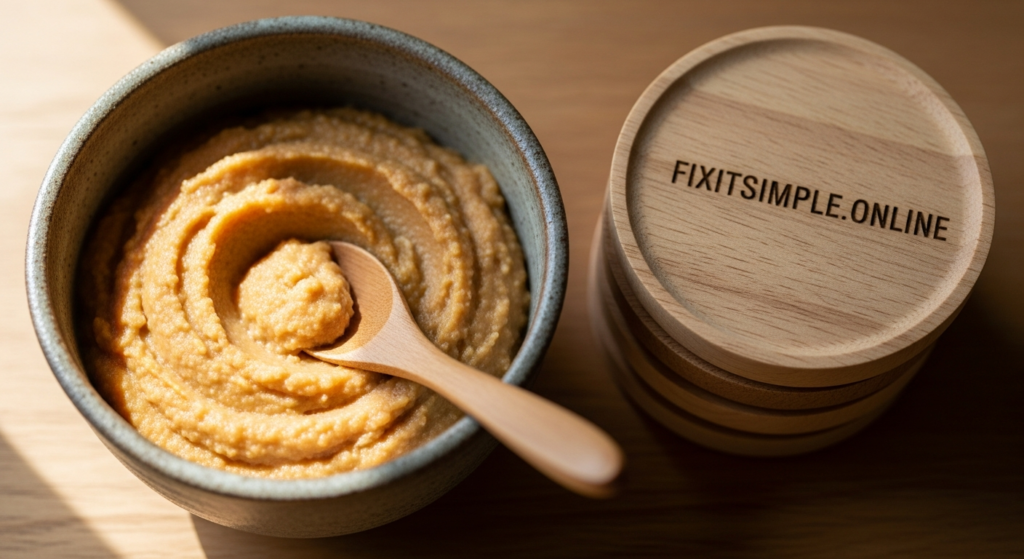
The texture is thick and spreadable, similar to peanut butter. The color ranges from pale yellow to deep reddish brown, depending on the type and fermentation time.
Miso paste isn’t just popular in Japan. Chefs and home cooks around the world now recognize it as a secret weapon for adding complexity to dishes. One small spoonful can transform a bland soup into something memorable.
Types of Miso Paste
Walking into an Asian market, you’ll find several varieties of miso paste. Each type has distinct characteristics that make it better suited for certain dishes.
White Miso (Shiro Miso)
White miso is the mildest and sweetest variety. It ferments for only a few weeks to a couple of months. The color is actually pale yellow or beige rather than pure white.
This type contains more rice koji and less soybeans. The result is a delicate, slightly sweet flavor that works beautifully in light soups, salad dressings, and glazes. If you’re new to cooking with miso paste, white miso is your best starting point.
Yellow Miso (Shinsu Miso)
Yellow miso sits right in the middle of the spectrum. It ferments longer than white miso but not as long as red varieties. The flavor is more pronounced than white miso but still relatively mild.
You can use yellow miso in most recipes that call for miso paste. It’s versatile enough for soups, marinades, and sauces. Many home cooks keep only yellow miso in their fridge because it handles so many different applications.
Red Miso (Aka Miso)
Red miso has the strongest, saltiest flavor. It ferments for one to three years, developing a deep reddish brown color. This variety typically contains more soybeans and less rice or barley.
The intense, complex flavor makes red miso perfect for hearty dishes. Think rich stews, braised meats, and robust marinades. A little goes a long way with red miso paste, so use it sparingly until you get used to the strength.
Mixed Miso (Awase Miso)
Mixed miso combines different types of miso paste. Manufacturers blend white and red varieties to create a balanced flavor profile. This option gives you middle ground versatility without needing multiple containers in your fridge.
Specialty Varieties
You might also encounter barley miso (mugi miso) or soybean only miso (hatcho miso). Regional variations exist throughout Japan, each with unique characteristics. Exploring these specialty types can be fun once you’ve mastered the basics.
Health Benefits of Miso Paste
Beyond its culinary appeal, miso paste packs impressive nutritional benefits. As a fermented food, it supports your body in several ways.
Probiotic Power
Fermentation creates beneficial bacteria that support gut health. These probiotics help maintain a healthy digestive system. Just remember that high heat kills these beneficial organisms, so add miso paste to hot dishes at the end of cooking when possible.
Protein Content
Soybeans are complete proteins, meaning they contain all essential amino acids. A tablespoon of miso paste provides about 2 grams of protein. While you won’t meet your daily protein needs from miso alone, every bit helps.
Vitamins and Minerals
Miso paste contains B vitamins, particularly B12, which can be challenging to get from plant sources. It also provides minerals like manganese, copper, and zinc. These nutrients support energy production, immune function, and overall wellness.
Antioxidant Properties
Research suggests that compounds in miso paste may offer antioxidant benefits. These compounds help protect your cells from damage caused by free radicals. Some studies even indicate potential anti-cancer properties, though more research is needed.
Sodium Considerations
Here’s the catch: miso paste is high in sodium. One tablespoon can contain 600 to 1,000 milligrams of sodium, depending on the type. If you’re watching your salt intake, use miso paste sparingly and reduce other salt sources in your recipes.
Low sodium varieties exist, but they’re less common. The good news is that a little miso paste goes a long way in flavoring dishes.
How to Store Miso Paste
Proper storage keeps your miso paste fresh for months or even years. The high salt content acts as a natural preservative.
After opening, always refrigerate miso paste in an airtight container. I transfer mine to a glass jar with a tight fitting lid. Press plastic wrap directly onto the surface before sealing to prevent air exposure.
Miso paste can last up to a year in the refrigerator. Some sources say it stays good even longer. You’ll know it’s gone bad if you see mold (not the white film that’s actually yeast, which is harmless) or if it smells off.
Some people freeze miso paste for extended storage. The high salt content prevents it from freezing solid, so you can scoop out what you need. This method works well if you use miso paste infrequently.
Keep your miso paste away from strong smelling foods. It can absorb odors from your refrigerator. A sealed container prevents this issue.
Cooking with Miso Paste
Now comes the fun part—actually using miso paste in your cooking. The applications extend far beyond traditional miso soup.
Classic Miso Soup
Traditional miso soup is surprisingly simple to make. Heat dashi (Japanese soup stock) and add cubed tofu, wakame seaweed, and sliced green onions. Remove from heat and whisk in miso paste. Never boil miso paste, as high heat destroys the beneficial probiotics and can make it taste bitter.
Marinades and Glazes
Miso paste creates incredible marinades for fish, chicken, and vegetables. Mix it with sake, mirin, and a touch of sugar for a classic Japanese glaze. Brush it on salmon before broiling, or use it to marinate chicken thighs overnight.
The enzymes in miso paste actually help tenderize meat. This makes it perfect for tougher cuts that benefit from a long marinade.
Salad Dressings
Whisk white miso with rice vinegar, sesame oil, and a bit of honey for an amazing salad dressing. The umami flavor adds depth that regular vinaigrettes can’t match. This dressing works particularly well on hearty greens like kale or cabbage.
Vegetable Dishes
Roasted vegetables get a flavor boost from miso paste. Toss Brussels sprouts, cauliflower, or eggplant with a mixture of miso paste, oil, and maple syrup before roasting. The result is caramelized, deeply savory vegetables that even picky eaters enjoy.
Pasta and Noodles
Add a spoonful of miso paste to pasta sauces for instant complexity. It works especially well in cream based sauces, where it adds a savory note that balances the richness. You can also toss cooked noodles with miso paste, butter, and garlic for a quick weeknight dinner.
Butter and Spreads
Miso butter has become trendy for good reason. Mix softened butter with miso paste and spread it on corn on the cob, bread, or use it to finish steaks. The combination of rich butter and savory miso paste is absolutely addictive.
Baking and Desserts
This might surprise you, but miso paste works in sweet applications too. A small amount adds depth to chocolate desserts, caramel sauces, and even cookies. The salt and umami enhance sweetness rather than compete with it.
Substitutes for Miso Paste
What if a recipe calls for miso paste but you don’t have any? Several substitutes can work in a pinch, though none perfectly replicate the complex flavor.
Soy sauce mixed with tahini comes closest. The soy sauce provides saltiness and umami, while tahini mimics the texture. Use about one tablespoon of each to replace two tablespoons of miso paste.
Vegetable or mushroom broth concentrate offers umami depth, though it lacks the texture. This works better in soups and liquid dishes than in marinades or spreads.
Tahini alone can substitute in recipes where texture matters more than the specific miso flavor. Add extra salt and a dash of soy sauce to get closer to the mark.
For vegetarian recipes, nutritional yeast adds savory, slightly cheesy notes that can fill the umami gap. Mix it with a bit of salt and tahini for better results.
Honestly though, none of these substitutes truly capture what miso paste brings to a dish. If you cook regularly, keeping a container of miso paste in your fridge is worth it.
Buying Guide: Choosing Quality Miso Paste
Shopping for miso paste can feel overwhelming given the options available. Here’s what to look for when buying.
Read the Ingredients
Quality miso paste contains just a few ingredients: soybeans, salt, koji, and possibly a grain like rice or barley. Avoid products with long ingredient lists full of preservatives, additives, or alcohol (unless it’s naturally occurring from fermentation).
Some manufacturers add dashi to their miso paste for convenience. These products work fine for soup but limit versatility in other recipes.
Check the Packaging
Miso paste comes in plastic tubs, plastic pouches, or jars. Tubs and jars make storage easier and help prevent spills. Pouches work fine but can be messier to work with.
Look for packaging that seals tightly. Air exposure can dry out miso paste or affect its flavor over time.
Consider Your Needs
Think about how you plan to use miso paste. If you want one all purpose variety, choose yellow or mixed miso. If you make mostly delicate dishes, white miso is your friend. For robust, hearty cooking, red miso paste delivers the punch you need.
Where to Buy
Asian grocery stores offer the widest selection of miso paste. You’ll find varieties you won’t see in regular supermarkets. Natural food stores and well stocked grocery stores now carry at least one or two types in the refrigerated section.
Online shopping opens up even more options. You can order specialty varieties from different regions of Japan. Just factor in shipping costs, especially since miso paste is heavy.
Price Expectations
Miso paste is generally affordable. A standard tub costs between five and twelve dollars, depending on the type and quality. Organic or artisanal varieties cost more but offer superior flavor.
Given how little you use per recipe, even expensive miso paste is cost effective. A single container can last months.
Common Mistakes to Avoid
Learning to cook with miso paste involves avoiding a few common pitfalls.
Boiling Miso Paste
Never add miso paste to boiling liquid. High heat destroys the beneficial probiotics and can create a bitter taste. Always remove your soup or sauce from heat before stirring in miso paste.
Using Too Much
Miso paste has a concentrated flavor. Start with less than you think you need. You can always add more, but you can’t take it back once it’s mixed in. A tablespoon or two is usually plenty for most recipes serving four people.
Treating All Types the Same
Each type of miso paste has different strength and flavor characteristics. Don’t substitute red miso for white miso in equal amounts. Red miso is much saltier and more intense. If you must substitute, use about half the amount and taste as you go.
Ignoring Expiration Dates
While miso paste lasts a long time, it doesn’t last forever. Check the expiration date when buying, and pay attention to how yours looks and smells at home. Quality deteriorates over time even when stored properly.
Adding Salt Without Tasting
Since miso paste is already salty, always taste your dish before adding additional salt. Many home cooks accidentally oversalt recipes when using miso paste. Let the miso paste do the heavy lifting first.
Recipe Ideas to Get You Started
Ready to start cooking? Here are some easy recipes that showcase miso paste’s versatility.
Simple Miso Soup
Heat 4 cups of dashi or vegetable broth with diced tofu and sliced mushrooms. Remove from heat and whisk in 3 tablespoons of white or yellow miso paste. Add chopped green onions and enjoy. This basic version takes about 10 minutes.
Miso Glazed Salmon
Mix 2 tablespoons of white miso paste with 1 tablespoon each of mirin, sake, and brown sugar. Marinate salmon fillets for 30 minutes. Broil for 8 to 10 minutes until caramelized and cooked through.
Miso Ginger Dressing
Blend 2 tablespoons of white miso paste, 1 tablespoon fresh ginger, 2 tablespoons rice vinegar, 1 tablespoon sesame oil, and 1 teaspoon honey. Thin with water until you reach desired consistency. This dressing keeps in the fridge for a week.
Roasted Miso Vegetables
Toss mixed vegetables with 2 tablespoons miso paste mixed with 1 tablespoon oil and 1 teaspoon maple syrup. Roast at 425°F for 25 to 30 minutes until caramelized.
Miso Ramen
Cook ramen noodles according to package directions. Heat broth with miso paste, garlic, and ginger. Pour over noodles and top with soft boiled eggs, corn, and nori.
Conclusion
Miso paste deserves a permanent spot in your refrigerator. This fermented ingredient adds depth, complexity, and umami to countless dishes. From traditional miso soup to innovative glazes, dressings, and even desserts, the possibilities are genuinely endless.
Start with one type, probably white or yellow miso paste, and experiment with simple recipes. As you become comfortable, branch out into different varieties and more creative applications. Your cooking will gain new dimensions of flavor that you didn’t know were missing.
The health benefits are a bonus on top of the incredible taste. Just remember to use miso paste thoughtfully given its sodium content.
What will you make first with miso paste? Maybe a comforting bowl of soup or a show stopping glazed salmon? Whatever you choose, you’re in for a delicious adventure.
FAQs
What does miso paste taste like? Miso paste has a rich, savory, salty flavor with umami depth. White miso is milder and slightly sweet, while red miso is more intense and earthy. The taste is complex, somewhat nutty, and adds a satisfying depth to dishes that’s hard to describe but instantly recognizable.
Can I eat miso paste raw? Yes, miso paste is safe to eat without cooking since it’s already fermented. Many recipes actually call for adding it to dishes after cooking to preserve the beneficial probiotics. You can mix it into dressings or spreads without any heat treatment.
Is miso paste gluten free? Not always. Miso paste made only with soybeans is gluten free, but many varieties include rice or barley. Barley contains gluten, so check labels carefully. Look for products specifically labeled gluten free if this is a concern for you.
How long does miso paste last after opening? Properly stored in an airtight container in the refrigerator, miso paste lasts up to a year or even longer. The high salt content acts as a preservative. Look for signs of spoilage like mold or off smells, though these are rare with proper storage.
Can I freeze miso paste? Yes, you can freeze miso paste for extended storage. The high salt content prevents it from freezing completely solid, so you can still scoop out portions as needed. This is especially useful if you use miso paste infrequently.
Is miso paste vegan? Most miso paste is vegan, containing only soybeans, salt, koji, and possibly grains. However, some varieties include dashi (fish stock) for convenience in making miso soup. Always check the ingredient list if you follow a strict vegan diet.
What’s the difference between miso paste and miso soup? Miso paste is the thick fermented ingredient itself. Miso soup is a dish made by dissolving miso paste in dashi broth, usually with added tofu, seaweed, and green onions. You use miso paste to make miso soup, along with other ingredients.
Can miso paste go bad? Yes, though it’s rare with proper storage. Signs of spoilage include visible mold (not the harmless white yeast film), significant color changes, or a foul smell. The high salt content makes miso paste quite stable, but it won’t last forever.
Does cooking destroy the probiotics in miso paste? High heat does kill the beneficial bacteria in miso paste. To preserve probiotics, add miso paste to dishes after removing them from heat, or use it in raw applications like dressings. Even cooked miso paste still provides flavor and nutrients beyond probiotics.
What can I substitute for miso paste in recipes? Soy sauce mixed with tahini comes closest to replicating miso paste’s flavor and texture. Use about one tablespoon of each to replace two tablespoons of miso paste. Other options include vegetable broth concentrate, tahini with added salt, or nutritional yeast, though none perfectly match the unique flavor profile.
Also read fixitsimple.online