
Introduction to Backlinks
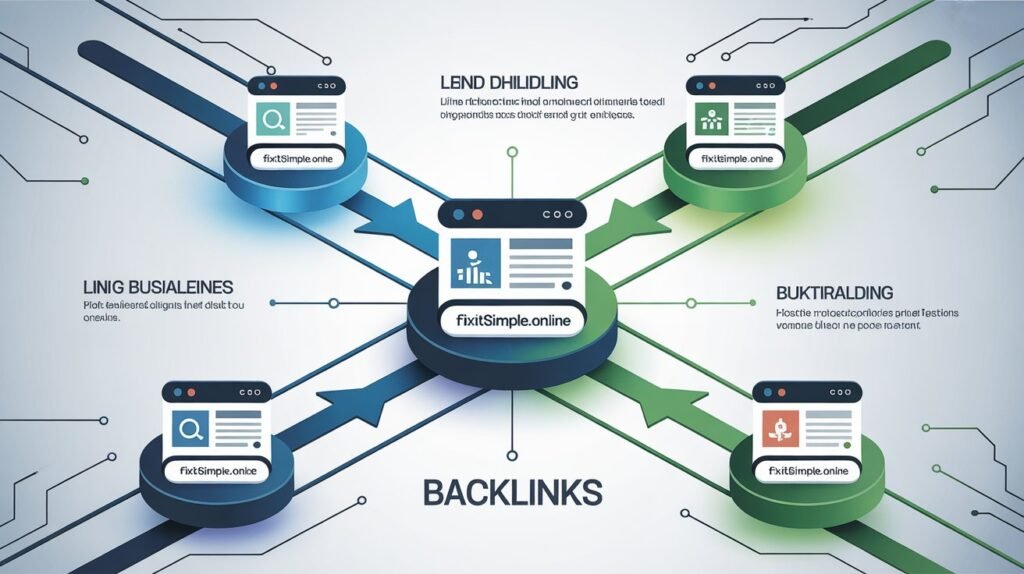
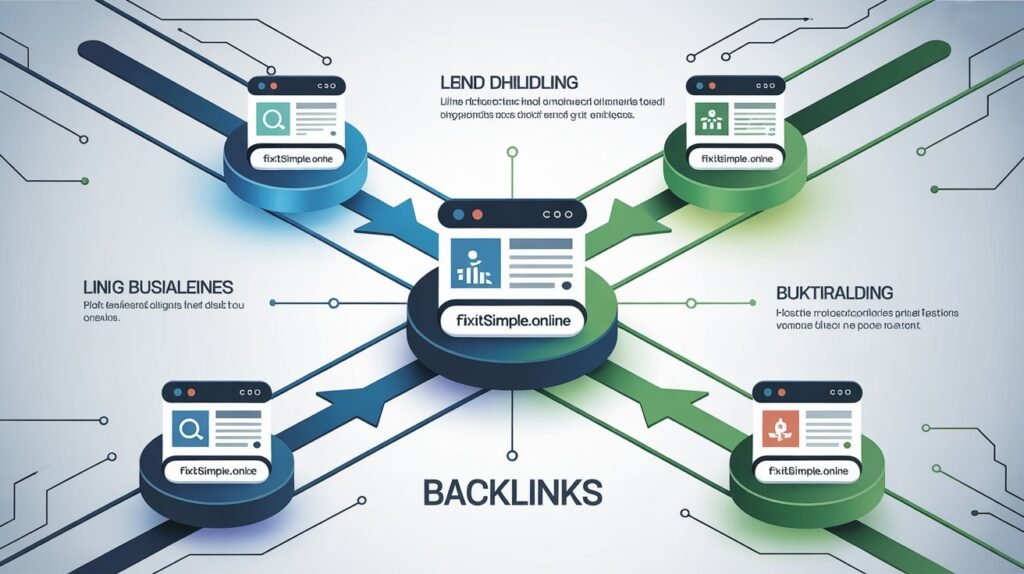
Backlinks, also known as inbound or incoming links, are hyperlinks from one website that direct users to another website. In the digital landscape, backlinks play a pivotal role in Search Engine Optimization (SEO), functioning as endorsements for specific content. The presence of backlinks not only enhances the credibility of a website but also signifies the trustworthiness of the information provided. When a website links to another, it is effectively casting a vote of confidence in the latter’s content, suggesting that it holds value and relevance.
The significance of backlinks in improving search engine rankings cannot be overstated. Search engines like Google consider backlinks as a primary ranking factor. The accumulation of quality backlinks is indicative of a website’s authority; therefore, websites with a higher number of credible backlinks tend to rank better in search results. This is because search engines interpret backlinks as an indication of a website’s popularity and relevancy, thus influencing how they prioritize websites in search outputs.
Moreover, backlinks contribute to increased visibility and traffic. When users encounter links to a website from other reputable sources, they are more likely to click on those links, thereby driving additional traffic to the originating website. Additionally, these links can foster relationships within an industry, contributing to networking opportunities and potential collaborations. Overall, understanding backlinks and their functionality is essential for optimizing any website’s SEO strategy, as they bridge the connection between content relevance and authoritative acknowledgment on the web.
Types of Backlinks
Backlinks, also known as inbound links, are a fundamental aspect of search engine optimization (SEO). They not only help enhance the visibility of a website but also play a crucial role in improving its authority and credibility. Understanding the different types of backlinks is vital in formulating a comprehensive backlink strategy.
One of the primary types of backlinks is natural link building. These backlinks are acquired organically when other websites find your content valuable enough to link to it without any direct solicitation. For example, a respected blog may link to a research paper you authored, thereby creating a natural backlink. Such links are highly valuable as they indicate to search engines that your content is trustworthy and worthy of reference.
Another essential type is manual link building. This method involves actively reaching out to other website owners or influencers to request links. This can be accomplished through tactics such as guest posting, collaborations, or even outreach campaigns. For instance, a business might write a guest article for a popular industry site, which includes a link back to its homepage or a specific product page. Manual link building is effective but requires strategy and effort to ensure that the links are placed on relevant and high-authority websites.
The third type is referred to as self-created links. These are links generated by the website owner through comment sections, forums, or user profiles. While they can provide some level of backlinking, they are generally less effective for SEO purposes as they may be viewed as less credible by search engines. For example, leaving a link in the comments of a popular blog post may attract some traffic but does not hold the same weight as natural or manually acquired links.
Each type of backlink plays a distinct role in a robust SEO strategy. By effectively combining natural, manual, and self-created links, a website can enhance its authority and search engine performance, paving the way for increased visibility and user engagement.
The Importance of Backlinks in SEO
Backlinks play a pivotal role in the field of Search Engine Optimization (SEO), acting as a fundamental ranking factor for search engines like Google. In essence, backlinks are links from other websites directing users to your own content. This not only increases visibility but also enhances the credibility of a site. When search engines detect numerous high-quality backlinks pointing to a webpage, it signals that the content is valuable and trustworthy, which can significantly elevate the webpage’s ranking in search results.
One of the primary ways backlinks influence SEO is through domain authority. Domain authority, quantified by various metrics, reflects a website’s ability to rank on search engines. Websites with higher domain authority typically enjoy better visibility and, consequently, more organic traffic. A study by Moz revealed that there is a direct correlation between the number of backlinks and domain authority. Websites that employ comprehensive backlink strategies consistently see improvements in their search visibility when compared to those that do not.
Moreover, the referral traffic generated by effective backlinking strategies is another substantial benefit. A website that is frequently referenced by other reputable sites not only strengthens its own content but also attracts visitors from those external sources. According to a report by HubSpot, businesses that prioritize backlinks have seen a marked increase in referral traffic by as much as 50%. Case studies and examples abound, such as brands that invested time in quality backlink acquisition and reported a significant uptick in leads and conversions as a result.
Hence, establishing a robust backlink profile is essential for any business aiming to enhance its online presence. In summary, the importance of backlinks in SEO cannot be overstated, with their impact on website ranking, domain authority, and referral traffic illustrating their critical role in a comprehensive digital marketing strategy.

Building Quality Backlinks
Creating backlinks is a crucial aspect of SEO that enhances website authority and visibility in search engine results. There are several effective strategies for building quality backlinks that not only improve search engine rankings but also foster relationships within the online community.
Guest Blogging: One of the most effective methods for acquiring backlinks is through guest blogging. By writing insightful and value-driven articles for reputable blogs within your niche, you can include a link back to your own website. When selecting blogs, focus on those with a solid readership and engagement. Ensure your content is original and beneficial to their audience, which will enhance the chances of your post being accepted. Additionally, do not forget to follow the blog’s guidelines regarding content and links.
Creating Shareable Content: Another powerful strategy is producing high-quality, shareable content. This might include in-depth guides, infographics, or unique research findings. When people find your content valuable, they are more likely to share it on their own platforms, resulting in natural backlinks. To amplify your reach, utilize social media platforms and relevant online communities to promote this content, ensuring it reaches a broader audience.
Networking with Bloggers and Influencers: Building relationships with other bloggers or influencers in your field can lead to reciprocal backlink opportunities. Engage with their content through comments or shares, and consider reaching out directly with proposals for collaborations. Participating in forums or attending industry events can also provide networking opportunities that may result in backlink creation.
By employing these strategies—guest blogging, creating shareable content, and networking—you can effectively build quality backlinks that contribute to your website’s SEO success. Prioritizing genuine engagement and valuable content will ultimately yield the best results in your backlink-building efforts.
Analyzing Your Current Backlink Profile
Understanding your existing backlink profile is a crucial step in optimizing your website’s presence on search engines. The analysis allows you to gauge the effectiveness of your current backlinks and to identify areas for potential improvement. To begin, tools like Google Search Console can provide valuable insights into how your site is perceived by search engines, particularly in terms of backlinks. These insights can help inform your future strategies and initiatives.
When examining your backlink profile, focus on several key metrics. One of the most important is the authority of the domains linking to your site. Higher authority domains contribute more value to your site compared to lower authority ones. Analyzing the quality of these domains will help you to understand the strength of your backlink profile. Domain authority metrics, which are often provided by third-party tools, can help you assess the potential impact of these links on your overall SEO performance.
Another essential metric to consider is anchor text diversity. This refers to the different text strings that are used to link back to your site, and ensuring a variety of these phrases can prevent search engines from perceiving your site as spammy or overly optimized. An anchor text profile that includes branded terms, exact match keywords, and relevant phrases enhances the naturalness of your backlink profile, potentially leading to improved rankings. By analyzing these aspects of your backlink profile, you can more effectively formulate a strategy to enhance your link-building efforts and overall online visibility.
Tools for Backlink Building
Backlinks play a crucial role in determining a website’s authority and search engine rankings. To successfully build and manage backlinks, utilizing the right tools is essential. Several tools are designed to assist marketers and SEO professionals in identifying and creating valuable backlinks. Among the most reputable are Ahrefs, Moz, and SEMrush.
Ahrefs is widely recognized for its comprehensive backlink analysis capabilities. With its extensive database, users can analyze their own backlink profiles and those of their competitors. The tool offers various features, including broken link checks, link tracking, and a site explorer that provides insights into organic search traffic. Pricing starts at $99 per month, making it a powerful yet accessible option for marketers.
Moz also offers a strong suite of backlink tools. Its Open Site Explorer feature allows users to research and analyze backlink profiles, evaluate domain authority, and discover linking opportunities. Moz Pro offers additional tools for tracking keyword rankings and site audits. Pricing for this tool starts at approximately $99 per month as well, and its user-friendly interface appeals to newcomers in the field of SEO.
SEMrush is an all-in-one marketing toolkit that includes robust features for backlink building. Its backlink audit tool helps users identify toxic backlinks, while its link building tool enables the discovery of potential backlink opportunities. Furthermore, SEMrush offers a comprehensive suite of features for keyword research, site audits, and traffic analysis, making it a versatile choice for those looking for an inclusive tool. Subscription pricing begins around $119.95 per month.
When choosing the best tool for backlink building, one should consider factors such as features, pricing, and user-friendliness. Evaluating these aspects will help marketers strategically leverage backlinks to enhance their online presence.
Common Mistakes to Avoid
When it comes to building backlinks, it’s crucial to steer clear of common pitfalls that can hinder your efforts and negatively impact your website’s search engine ranking. A prevalent mistake is prioritizing the quantity of backlinks over their quality. Many individuals fall prey to the idea that acquiring numerous backlinks, regardless of their source, will improve their site’s authority and visibility. However, search engines like Google assess the quality of backlinks much more rigorously than the sheer volume. Therefore, it is essential to focus on earning backlinks from reputable sources that are relevant to your niche.
Another significant error is engaging in link farms or participating in link exchange schemes. Link farms consist of a network of websites that exist solely to link to one another, often leading to low-quality backlinks that can harm your site’s trustworthiness. Search engines are well aware of these practices and can impose penalties on sites that are found to be involved in such schemes. Instead, aim to cultivate organic relationships with authoritative websites and bloggers to earn valuable backlinks based on content collaboration or value-based exchanges.
Moreover, utilizing black hat SEO techniques is another critical misstep. Practices such as keyword stuffing, cloaking, or purchasing backlinks not only violate search engine guidelines but can result in severe penalties, including being removed from search results entirely. It is vital to adopt white hat techniques that emphasize ethical approaches to backlink creation, such as guest blogging, contributing valuable content to discussion forums, or reaching out directly to industry influencers for collaboration. By doing so, you will build a more sustainable and effective backlink profile that stands the test of time.
Measuring the Impact of Backlinks
Evaluating the effectiveness of backlinking strategies is essential for understanding their overall impact on search engine optimization (SEO) efforts. Various metrics can be used to measure these impacts, primarily focusing on changes in search rankings, traffic analytics, and improvements in domain authority.
Firstly, monitoring changes in search engine rankings is a fundamental aspect of measuring backlink effectiveness. By tracking where a website ranks for various keywords over time, one can ascertain whether newly acquired backlinks are positively influencing visibility in search engine results pages (SERPs). Utilizing tools like Google Search Console and SEMrush, one can compare keyword rankings before and after implementing a backlinking strategy, thereby gaining insight into its effectiveness.
Secondly, analyzing traffic analytics can provide a comprehensive view of how backlinks affect website visitors. Platforms such as Google Analytics allow you to monitor referral traffic, which indicates how many visitors are coming from specific backlinks. A noticeable increase in traffic correlated with recent backlinks may signify that these links are effective in driving users to the site, thus confirming their value in the overall marketing strategy.
Another critical metric to consider is domain authority, a score developed by Moz that predicts how well a website will rank on search engines. When a website successfully accumulates high-quality backlinks, it often sees an increase in its domain authority. Tools, such as Moz’s Link Explorer, can assist in tracking these changes over time, enabling site owners to assess the cumulative effectiveness of their backlinking efforts.
Ultimately, regularly measuring these key performance indicators will help businesses identify successful strategies, refine their approach, and achieve better search engine performance.
Conclusion and Next Steps
In examining backlinks, their significance, and effective strategies for obtaining them, we have established a comprehensive understanding of their role in search engine optimization. Backlinks serve as a crucial component in enhancing a website’s authority and visibility on search engines. They act as endorsements from one site to another, signaling trust and value to search engines like Google.
We discussed various methods to cultivate valuable backlinks, including creating high-quality content, utilizing social media platforms, guest blogging, and engaging in community forums. By implementing these strategies thoughtfully, website owners can perform a significant enhancement of their backlink profiles, resulting in better ranking possibilities.
It is essential to remember that the quality of backlinks surpasses quantity. Focusing on acquiring links from authoritative and relevant sites will yield more beneficial outcomes. Additionally, monitoring the effectiveness of your backlink strategies is crucial. Regularly assess your backlink profile and refine your approach based on performance metrics and results.
As you consider these insights, it is time to take action. We encourage you to begin incorporating these backlink strategies into your digital marketing efforts. Start small and gradually build upon your successes. If you feel overwhelmed or uncertain about where to start, remember that continuous learning is vital in this ever-evolving field.
To keep up with future updates and tips on SEO, including more about backlinks, please subscribe to our newsletter or follow our social media accounts. Your engagement is invaluable, and we look forward to supporting your journey in mastering the art of backlinks and improving your online presence.