

Introduction
You probably don’t think about your crawl space very often. Most homeowners don’t—until something goes wrong. Maybe you’ve noticed musty odors wafting through your living room, or your energy bills have been creeping higher despite no changes in your habits. Perhaps you’ve spotted signs of moisture damage, or a home inspector mentioned concerns during a recent evaluation.
Here’s the thing: your crawl space plays a bigger role in your home’s health than you might realize. When you search for “crawl space encapsulation near me,” you’re taking the first step toward solving problems you might not even know exist yet. Crawl space encapsulation is a comprehensive solution that seals off this vulnerable area beneath your home, creating a barrier against moisture, pests, and energy loss.
In this article, we’ll walk through everything you need to know about crawl space encapsulation. You’ll learn what it involves, why it matters for your home, how much it typically costs, and how to find the right professionals in your area. By the end, you’ll have the knowledge to make an informed decision about whether this investment makes sense for your situation.
What Is Crawl Space Encapsulation?
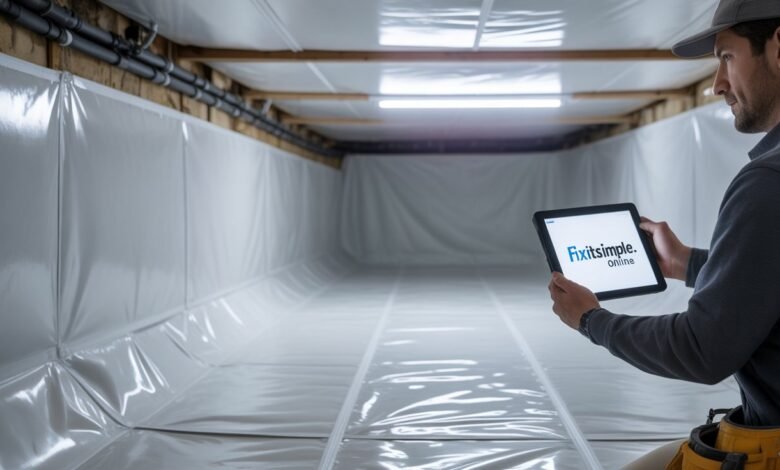
Crawl space encapsulation is the process of completely sealing your crawl space from the outside environment. Think of it as giving the underbelly of your home a protective shell.
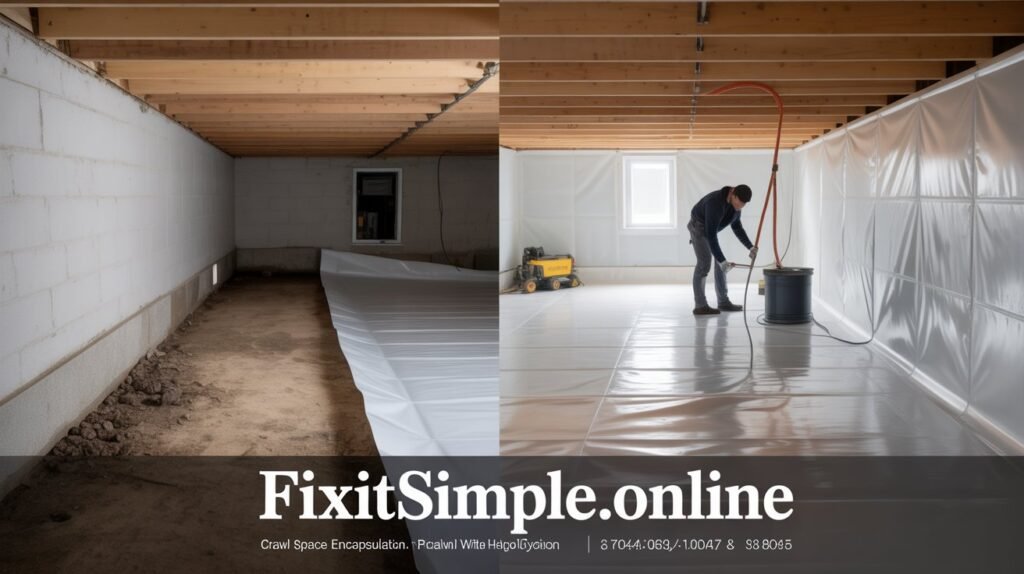
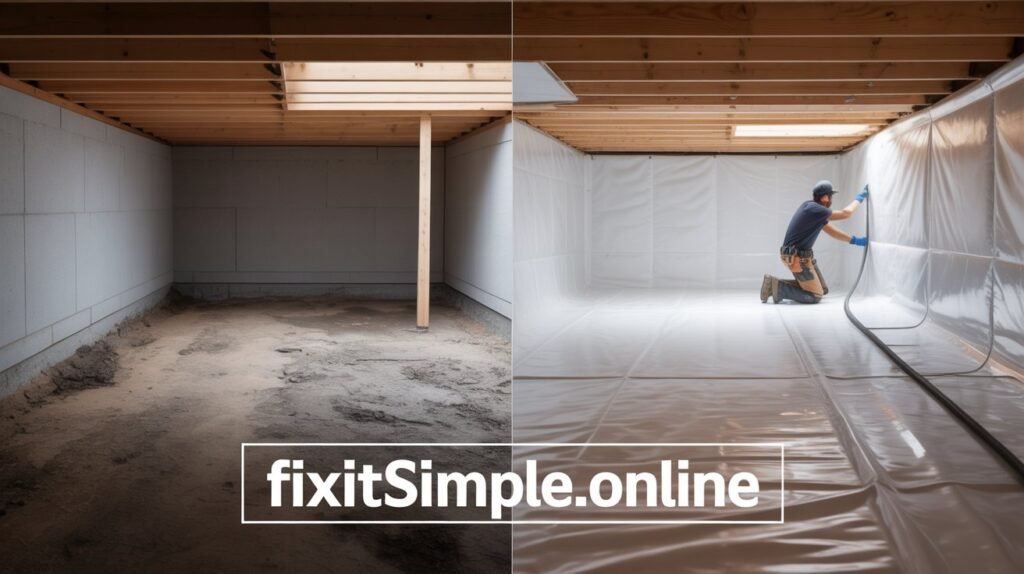
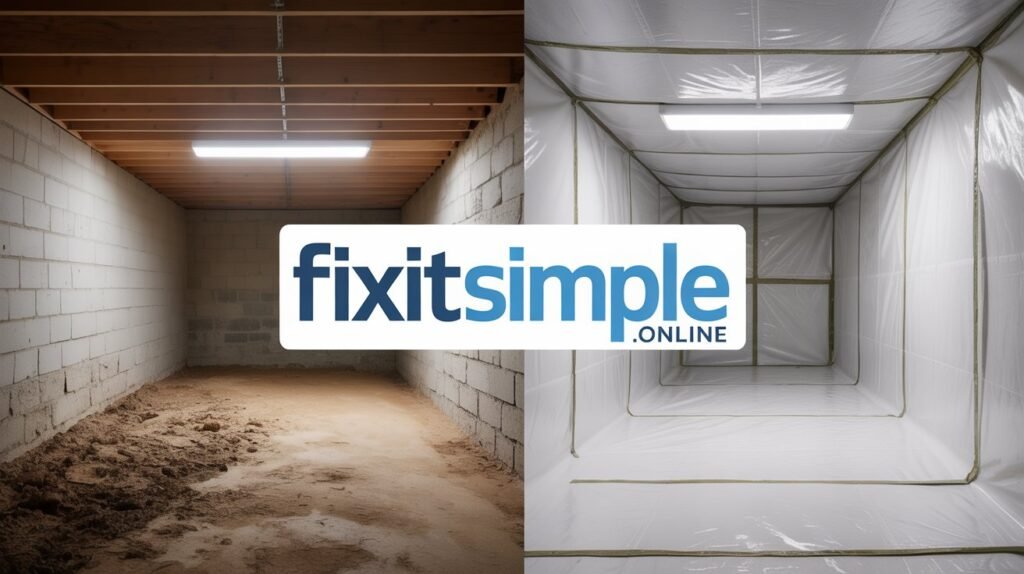
The process involves covering the floor and walls with a heavy-duty moisture barrier, typically made from reinforced polyethylene. This isn’t your average plastic sheeting. Professional-grade encapsulation materials are thick, durable, and designed to withstand years of use without tearing or degrading.
But encapsulation goes beyond just laying down a barrier. The process usually includes sealing vents, insulating walls, and often installing a dehumidifier to control moisture levels. Some systems also incorporate drainage solutions to redirect water away from your foundation.
The goal is simple. Create a clean, dry, controlled environment beneath your home. This transforms your crawl space from a liability into a protected area that actually contributes to your home’s overall performance.
Why Crawl Space Encapsulation Matters
Your crawl space affects your entire home more than you might think. Up to 50% of the air you breathe on your first floor comes from below. That’s right—air from your crawl space rises into your living areas through a process called the stack effect.
When your crawl space is damp and exposed, you’re essentially inviting problems into your home. Moisture breeds mold and mildew. These fungi release spores that circulate through your HVAC system, potentially affecting your family’s respiratory health.
The moisture also attracts pests. Termites, carpenter ants, rodents, and other unwanted visitors love damp, dark spaces. Once they establish themselves in your crawl space, they can cause structural damage that costs thousands to repair.
Then there’s the energy waste. When outside air freely enters your crawl space, your HVAC system works overtime trying to maintain comfortable temperatures. In summer, hot humid air makes your air conditioner run constantly. In winter, cold air seeps through your floors, making rooms feel chilly no matter how high you crank the thermostat.
Encapsulation addresses all these issues simultaneously. It’s preventive maintenance that protects your investment and creates a healthier living environment.
The Health Benefits You Can’t Ignore
Let’s talk about indoor air quality for a moment. Most people focus on outdoor pollution, but the EPA says indoor air can be two to five times more polluted than outdoor air.
Your crawl space contributes significantly to this problem when left unencapsulated. Mold spores, dust mites, and volatile organic compounds from decaying wood all enter your breathing space. For people with asthma, allergies, or other respiratory conditions, this can trigger serious symptoms.
Encapsulation creates a barrier against these contaminants. By controlling moisture, you eliminate the conditions mold needs to thrive. You also make the space inhospitable to dust mites, which need humidity levels above 50% to survive.
Many homeowners report noticeable improvements in air quality within weeks of encapsulation. That musty smell disappears. Family members with allergies experience fewer symptoms. The overall atmosphere in the home just feels fresher and cleaner.
Energy Efficiency and Cost Savings
Here’s where encapsulation really shines from a financial perspective. Studies show that crawl space encapsulation can reduce heating and cooling costs by 15% to 20%.
Think about what that means for your annual energy bills. If you spend $2,000 per year on heating and cooling, you could save $300 to $400 annually. Over the typical 20-year lifespan of an encapsulation system, that adds up to $6,000 to $8,000 in savings.
The savings come from multiple sources. First, you’re preventing conditioned air from escaping through your crawl space. Second, you’re reducing the temperature differential between your living space and the area below. Third, you’re decreasing the workload on your HVAC system, which can extend its lifespan.
Your home also becomes more comfortable. Floors feel warmer in winter because you’re not losing heat to a cold, vented crawl space. In summer, humidity levels drop, making the air feel cooler even at higher thermostat settings.
Some utility companies and local governments offer rebates for crawl space encapsulation because it’s such an effective energy-saving measure. When searching for “crawl space encapsulation near me,” ask contractors about available incentives in your area.
What Does the Encapsulation Process Involve?
Understanding the process helps you know what to expect when you hire a contractor. Professional encapsulation typically follows these steps.
Initial Assessment
A qualified contractor inspects your crawl space to identify existing problems. They check for standing water, wood rot, pest damage, and structural issues. This assessment determines what prep work is needed before encapsulation can begin.
Cleanup and Preparation
The crew removes debris, old insulation, and any damaged materials. They address drainage issues and make necessary repairs to ensure a solid foundation for the encapsulation system.
Vapor Barrier Installation
Heavy-duty polyethylene sheeting (usually 10 to 20 mil thick) is laid across the floor and up the walls. Seams are carefully sealed with special tape to create an airtight barrier. Support piers and other obstacles are wrapped individually.
Sealing and Insulation
Crawl space vents are sealed from the inside. Rim joists are insulated. Any gaps or cracks where air might enter are filled with spray foam or other appropriate materials.
Dehumidification System
A commercial-grade dehumidifier is installed to maintain optimal humidity levels year-round. This equipment is specifically designed for crawl space environments and can handle the moisture load in these confined areas.
Final Inspection
The contractor performs a final walkthrough to ensure everything is properly sealed and functioning. They’ll explain how to maintain the system and what to watch for going forward.
How Much Does Crawl Space Encapsulation Cost?
Cost is usually the first question homeowners ask. The honest answer is: it depends on several factors.
The national average for crawl space encapsulation ranges from $5,000 to $15,000. Most homeowners pay around $8,000 for a typical installation. However, your actual cost could fall outside this range based on your specific circumstances.
Factors That Affect Cost:
Size matters. Larger crawl spaces require more materials and labor. Contractors typically charge by the square foot, with prices ranging from $3 to $8 per square foot for materials and installation.
Accessibility affects labor. If your crawl space is difficult to access or has limited clearance, workers need more time to complete the job. This increases labor costs.
Existing problems add expense. Significant moisture damage, mold remediation, or structural repairs must be addressed before encapsulation. These issues can add thousands to your project cost.
Quality of materials varies. Thicker vapor barriers cost more but last longer. Premium dehumidifiers are pricier upfront but more efficient and reliable.
Regional differences exist. Labor and material costs vary by location. Urban areas typically have higher prices than rural regions.
Don’t let the price tag scare you away from getting quotes. Many contractors offer financing options. When you factor in energy savings, reduced maintenance costs, and protection against expensive moisture damage, encapsulation often pays for itself over time.
Finding the Right Contractor Near You
Searching “crawl space encapsulation near me” returns dozens of results. How do you choose the right contractor?
Start by looking for specialists rather than general handymen. Crawl space encapsulation requires specific knowledge and equipment. Companies that focus on this work have the expertise to do it right.
Check credentials carefully. Look for contractors who are licensed, bonded, and insured. Membership in professional organizations like the National Association of Waterproof Contractors or certification from the Crawl Space Repair Network indicates commitment to industry standards.
Read reviews from multiple sources. Check Google, Yelp, the Better Business Bureau, and social media. Pay attention to how companies respond to negative reviews—this reveals their customer service approach.
Get at least three detailed quotes. Reputable contractors offer free inspections and written estimates. Be wary of quotes that seem too good to be true or companies that pressure you to sign immediately.
Ask these important questions during consultations:
- How long have you been doing crawl space encapsulation?
- Can you provide references from recent projects?
- What specific products and materials do you use?
- What warranty do you offer on materials and labor?
- How long will the project take?
- What happens if you discover additional problems during installation?
A professional contractor welcomes these questions and provides clear, confident answers.
DIY vs. Professional Installation
You might be wondering if crawl space encapsulation is a DIY project. Technically, you can purchase materials and attempt it yourself. Realistically, most homeowners benefit from professional installation.
DIY encapsulation seems appealing because you save on labor costs. You can buy vapor barrier material, tape, and insulation from home improvement stores. Numerous online tutorials walk through the process.
However, several challenges make this difficult for the average homeowner. Crawl spaces are uncomfortable work environments. You’re crawling around in tight, dirty spaces for hours or days. The physical demands are significant.
Proper installation requires attention to detail. Every seam must be perfectly sealed. The vapor barrier must be secured correctly to walls and piers. Vents need proper sealing techniques. One mistake can compromise the entire system’s effectiveness.
Professionals also have equipment most homeowners don’t own. Commercial dehumidifiers designed for crawl spaces aren’t available at retail stores. Specialized tools make installation faster and more effective.
Perhaps most importantly, contractors identify problems you might miss. They spot subtle signs of structural damage, pest infestation, or water intrusion that could undermine your encapsulation effort.
If you’re handy and have time, a DIY approach might work for a small, simple crawl space. For most situations, professional installation ensures the job is done right the first time.
Maintaining Your Encapsulated Crawl Space
Encapsulation isn’t completely maintenance-free, but upkeep is minimal compared to an unencapsulated space.
Check your dehumidifier regularly. Empty the reservoir if it’s not plumbed to drain automatically. Clean or replace filters according to manufacturer recommendations. Most units have indicator lights that alert you to issues.
Inspect the vapor barrier annually. Look for tears, separating seams, or areas where the material has pulled away from walls. Small problems are easy to fix with repair tape if caught early.
Monitor humidity levels. Ideal crawl space humidity is between 40% and 60%. If levels consistently run higher, your dehumidifier might need adjustment or replacement.
Watch for water intrusion. After heavy rains, check for standing water or wet spots. These indicate drainage problems that need addressing before they damage your encapsulation system.
Keep the area clean. Don’t use your encapsulated crawl space for storage of items that could puncture the vapor barrier. If you must store things there, use shelving that doesn’t contact the barrier.
Most encapsulation systems come with warranties covering materials and installation. Keep documentation and follow any maintenance requirements to keep your warranty valid.
Common Misconceptions About Encapsulation
Several myths about crawl space encapsulation persist. Let’s clear these up.
Myth: Vented crawl spaces are better because they let moisture escape. Actually, vented crawl spaces often introduce more moisture than they remove, especially in humid climates. Encapsulation with controlled dehumidification is far more effective.
Myth: Encapsulation causes moisture to build up in walls. Proper encapsulation includes wall insulation and vapor barriers that prevent this issue. In fact, encapsulation typically reduces overall moisture in your home’s structure.
Myth: You only need encapsulation if you have water problems. Encapsulation prevents problems before they start. Even if your crawl space seems dry now, seasonal changes and aging infrastructure can create issues later.
Myth: All encapsulation systems are the same. Quality varies significantly between products and installation methods. Cheap materials and sloppy installation deliver poor results.
Myth: Encapsulation is only for new homes. Older homes often benefit more from encapsulation because they’re more likely to have moisture issues and energy inefficiency.
Understanding these facts helps you make decisions based on reality rather than outdated information.
Signs You Need Crawl Space Encapsulation
How do you know if encapsulation is necessary for your home? Watch for these warning signs.
Musty odors that won’t go away indicate mold or mildew growth below. If you can smell it upstairs, the problem is significant.
Visible mold on floor joists, subflooring, or ductwork in your crawl space signals excess moisture. Even small patches suggest conditions conducive to widespread growth.
Pest infestations often start in damp crawl spaces. If you’re battling recurring problems with termites, carpenter ants, or rodents, moisture control can make your home less attractive to these invaders.
Buckled or sagging floors might indicate moisture damage to structural wood. This serious issue requires immediate attention.
High energy bills without explanation suggest air leakage and temperature transfer through your crawl space.
Condensation on windows, especially in rooms over the crawl space, indicates humidity problems that might originate below.
Allergies or respiratory issues that improve when you’re away from home could relate to air quality problems stemming from your crawl space.
If you notice any combination of these signs, scheduling an inspection makes sense. Early intervention prevents minor issues from becoming expensive disasters.
The Long-Term Value for Your Home
Beyond immediate benefits, crawl space encapsulation adds lasting value to your property.
Home buyers increasingly appreciate energy-efficient features and healthy indoor environments. An encapsulated crawl space is a selling point that can differentiate your home in a competitive market.
Appraisers recognize that encapsulation protects structural integrity. Homes with documented moisture control systems often appraise higher than comparable properties without these protections.
You also avoid future repair costs. Water damage, mold remediation, and pest control are expensive. Encapsulation prevents these problems, saving thousands over your ownership period.
The investment in encapsulation typically returns 50% to 70% of its cost when you sell. Combined with energy savings during ownership, the financial case is strong.
More importantly, you gain peace of mind. Knowing your home is protected against moisture damage lets you focus on enjoying your space rather than worrying about hidden problems developing beneath your feet.
Conclusion
Crawl space encapsulation represents one of the smartest investments you can make in your home’s health, efficiency, and longevity. When you search for “crawl space encapsulation near me,” you’re not just looking for a contractor—you’re taking steps to protect your family, reduce energy costs, and preserve your property value.
The process transforms a neglected, problem-prone area into a clean, controlled environment that contributes positively to your home’s performance. While the upfront cost might seem significant, the long-term benefits in energy savings, prevented damage, and improved air quality make it worthwhile for most homeowners.
Take the time to find qualified professionals in your area. Get multiple quotes, ask detailed questions, and choose a contractor with proven expertise in crawl space encapsulation. Your home deserves protection from moisture, pests, and energy waste.
Have you noticed any of the warning signs we discussed? Your crawl space might be telling you it needs attention. The sooner you address these issues, the less they’ll cost to fix.
FAQs
How long does crawl space encapsulation last?
A professionally installed encapsulation system typically lasts 15 to 20 years or longer with proper maintenance. The vapor barrier itself can last decades if not damaged, while dehumidifiers may need replacement every 10 to 15 years depending on usage.
Can I encapsulate my crawl space myself?
While DIY encapsulation is possible for handy homeowners, professional installation ensures proper techniques, identifies hidden problems, and usually includes warranties. Most people find the complexity and physical demands make professional installation worthwhile despite the higher cost.
Does crawl space encapsulation prevent termites?
Encapsulation doesn’t directly prevent termites, but it makes your crawl space less attractive to them by reducing moisture. Termites need water sources to survive. A dry, encapsulated crawl space is much less hospitable than a damp, vented one.
Will encapsulation work in my climate?
Crawl space encapsulation benefits homes in virtually all climates. Hot, humid regions see reduced cooling costs and mold prevention. Cold climates benefit from warmer floors and lower heating bills. Even dry climates gain from improved energy efficiency and pest control.
How much does crawl space encapsulation cost?
Most homeowners pay between $5,000 and $15,000 for complete encapsulation, with an average around $8,000. Your actual cost depends on crawl space size, accessibility, existing damage, material quality, and regional labor rates. Get quotes from multiple contractors for accurate pricing.
What’s the difference between encapsulation and a vapor barrier?
A simple vapor barrier is just plastic sheeting laid on the crawl space floor. Encapsulation is a comprehensive system that includes vapor barriers on floors and walls, sealed vents, insulation, and usually dehumidification equipment. Encapsulation provides far superior moisture control.
Do I need to remove old insulation before encapsulating?
Usually yes. Old fiberglass insulation in vented crawl spaces often contains moisture, mold, or pest damage. Removing it allows proper inspection of floor joists and creates a clean foundation for the new encapsulation system.
How quickly will I see results after encapsulation?
Many homeowners notice improved air quality within days as musty odors disappear. Energy savings appear on your next utility bill, though the full impact becomes clear over a complete heating and cooling season. Structural protection and pest prevention benefits accumulate over months and years.
Does crawl space encapsulation increase home value?
Yes, encapsulation typically adds value by protecting structural integrity, improving energy efficiency, and enhancing indoor air quality. While you may not recoup 100% of the cost immediately, the investment generally returns 50% to 70% in increased home value plus ongoing savings on energy and maintenance.
What warranty should I expect on encapsulation work?
Reputable contractors typically offer 10 to 25-year warranties on materials and 1 to 5 years on labor. Dehumidifiers usually come with manufacturer warranties of 3 to 5 years. Always get warranty details in writing before signing a contract.
Also read fixitsimple.online
